Marco Pulci, Head of the Starnberg Tunnel Project Team, reflects on how the IPAT Assessment provided an independent perspective and helped shape the way the project is managed today.
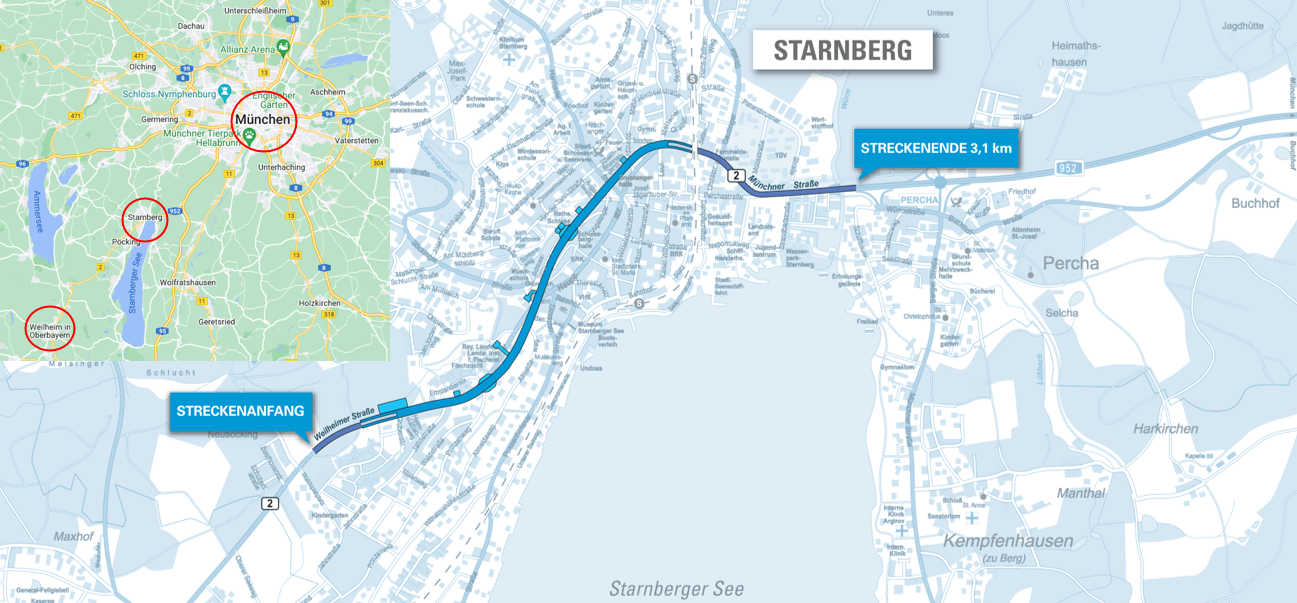
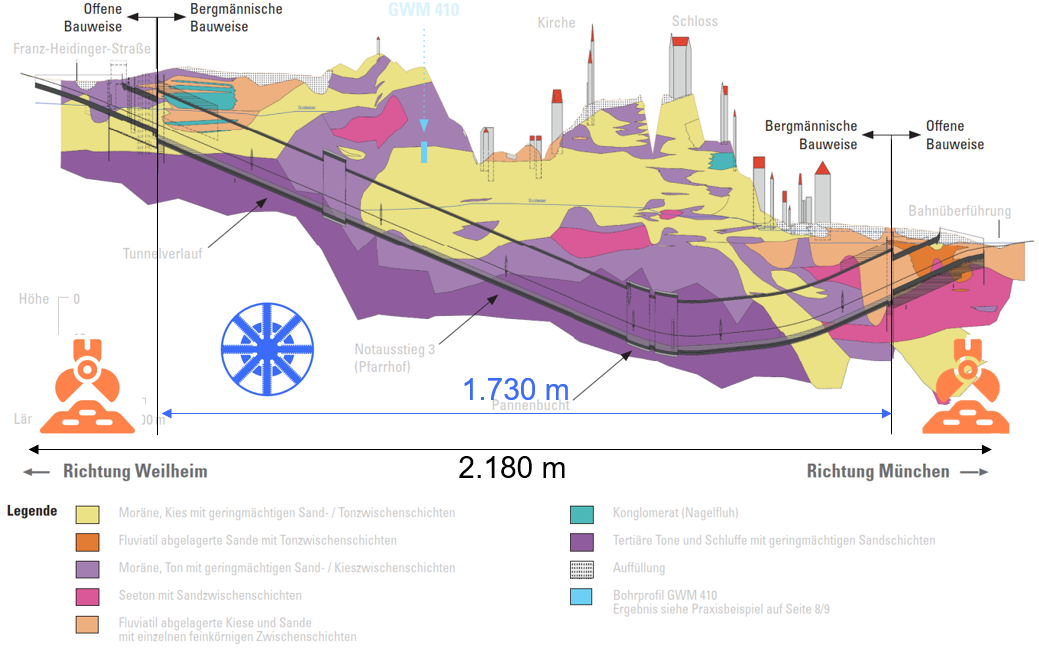
The Starnberg Tunnel is a major and highly complex infrastructure project. Like many large-scale projects, it involves significant technical, organisational and financial challenges. Even before the IPAT Assessment, it was clear to us that there were areas where we needed to improve. In particular, we saw weaknesses in the organisational structure, limited staffing capacity and gaps in expertise in some key areas. On the recommendation of the Bavarian State Ministry for Housing, Building and Transport, we decided to carry out an IPAT Assessment in order to gain an independent external perspective and identify where action was most urgently needed.
Looking back, this was an important and very worthwhile step. The IPAT Assessment gave us a structured and honest view of the project’s actual status. It did not simply confirm known issues; it helped us to assess them more clearly, prioritise them and discuss them openly. That was especially valuable because large projects often develop their own internal logic over time, and an external assessment can bring a necessary sense of clarity and realism.
One of the most important findings concerned our project organisation. The assessment made it clear that roles, responsibilities and interfaces needed to be defined more precisely. It also highlighted that additional management layers do not automatically improve the quality of decisions. Instead, they can slow down processes, blur accountability and create uncertainty within the project team. In our case, the multi-layered leadership structure made decision-making more complex than necessary. As a result, we worked to clarify roles and adjust the organisational structure. Since then, we have developed further and are now organised as a single department, which was an important step forward. At the same time, organisational structure remains one of our key topics, because even within a unified department, effective cooperation across several management levels still requires active attention.
The assessment also reinforced the need to strengthen the team and make better use of available expertise. We took this seriously by bringing in additional external support where needed and by assigning responsibilities more clearly. The goal was not just to fill gaps, but to build a project team that is better prepared for the complexity of the upcoming construction phase. We also became more aware of the importance of using the strengths of individual team members in a targeted way.
Another lasting effect of the IPAT Assessment is the way we now deal with project information, especially when it comes to costs, risks and planning assumptions. We are continuing with the overall project, but with a stronger commitment to realistic figures and transparent communication. That means we do not try to present an overly optimistic picture. Instead, we aim to communicate realistic assumptions, known risks and the next steps in a way that is both credible and responsible. For us, this has become a central principle of project management.
On a personal and professional level, the experience of being reviewed externally in such a neutral and structured way was exceptional. It felt like holding up a mirror to the project: it confirmed strengths, revealed blind spots and encouraged more self-reflection in our day-to-day work. In that sense, the IPAT Assessment had an impact far beyond the formal recommendations.
Our conclusion is clear: genuine confidence in a project comes from a realistic understanding of where the project stands. The IPAT Assessment helped us build exactly that understanding and has made a lasting contribution to how we manage the Starnberg Tunnel project today.