
Summary of the Munich Network Meeting
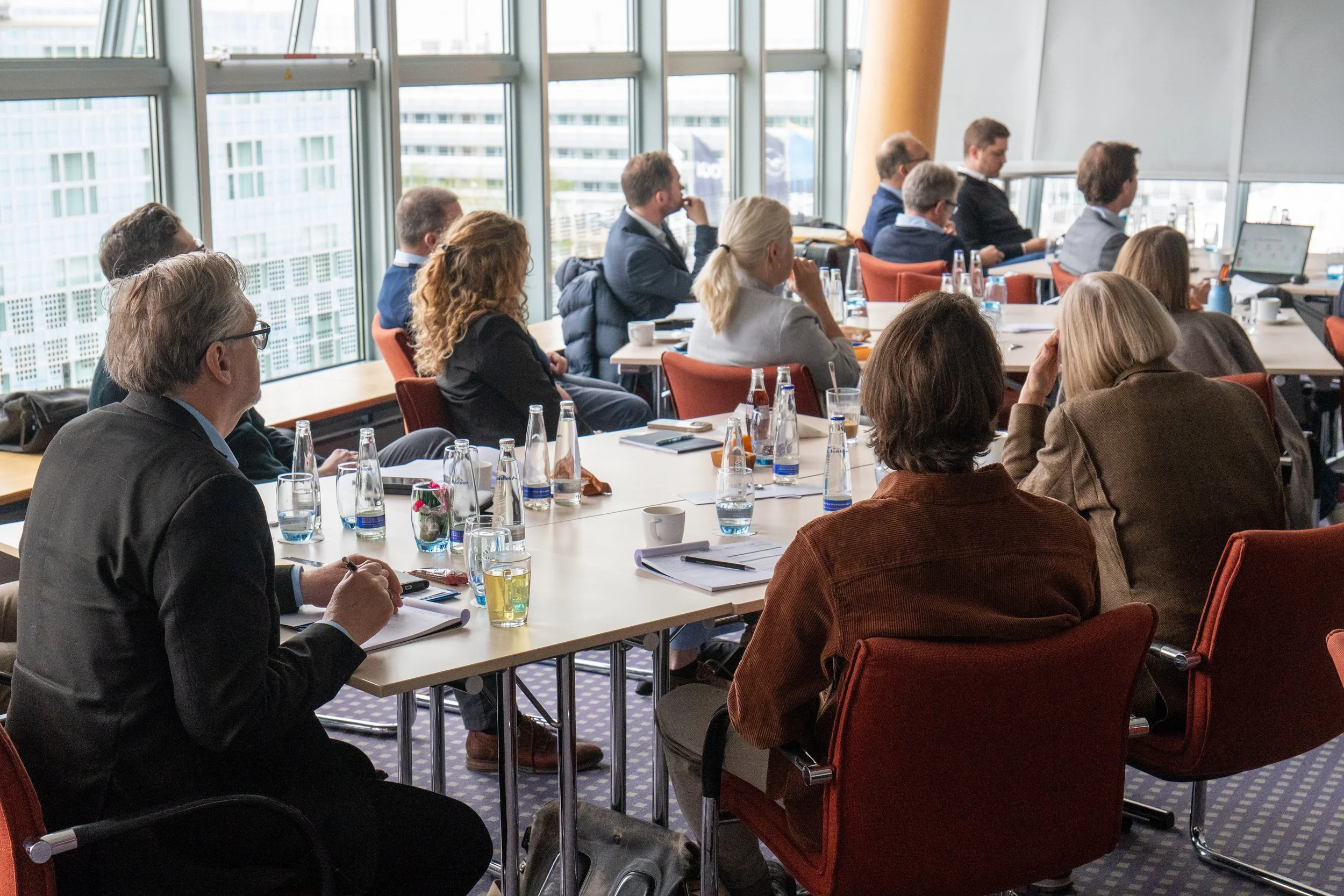
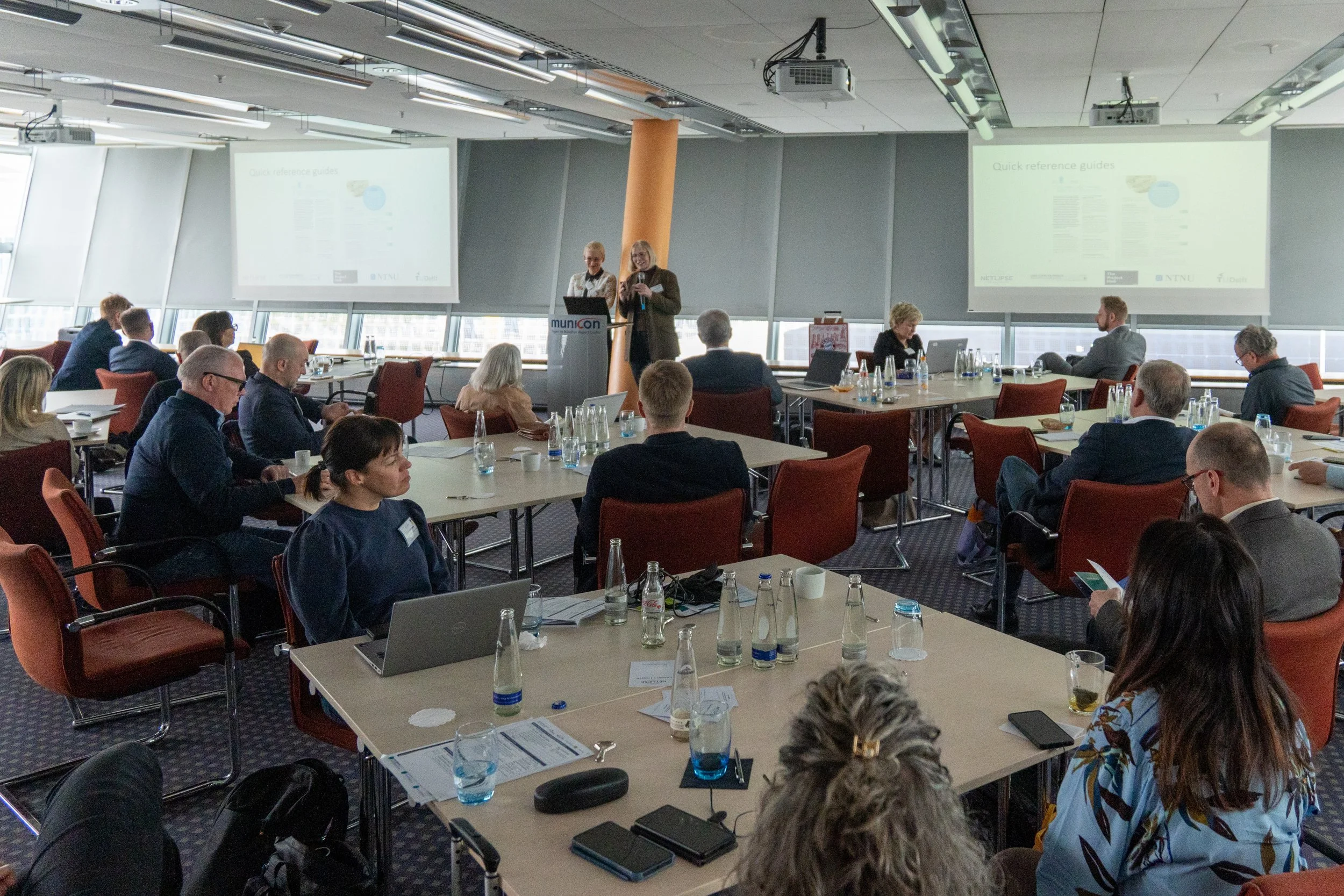
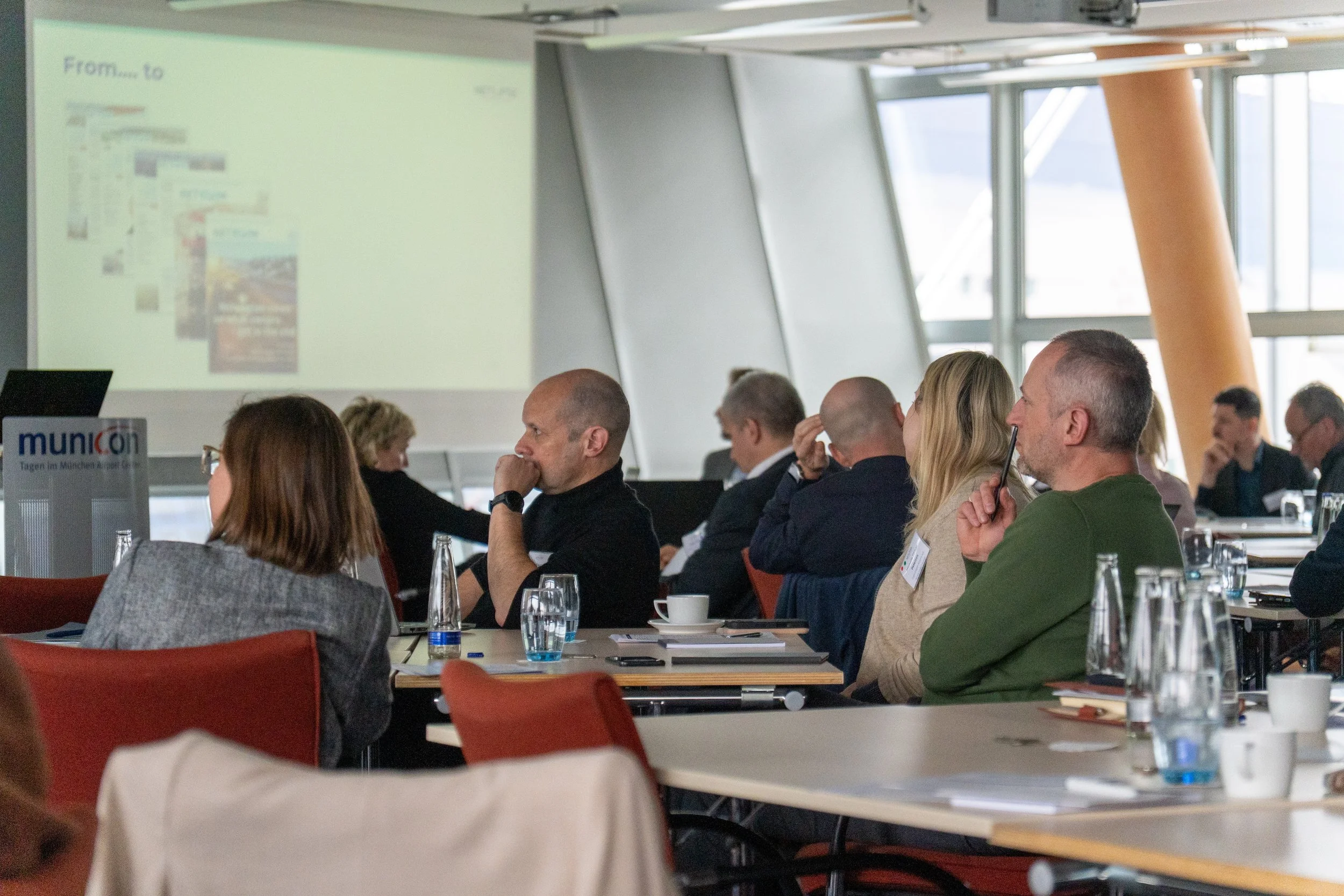
On 20 and 21 April 2026, NETLIPSE held its 40th Network Meeting in Munich, kindly hosted by the Bavarian State Ministry of Housing, Construction and Transport (StMB) and Die Autobahn GmbH des Bundes. At this anniversary edition, 89 project management professionals from European client organisations met for two days of knowledge exchange, reflection and dialogue on the management and delivery of large-scale infrastructure projects in Europe. We are very happy to have welcomed this record number of delegates, including both long-standing NETLIPSE members and new delegates.
A warm welcome in Munich
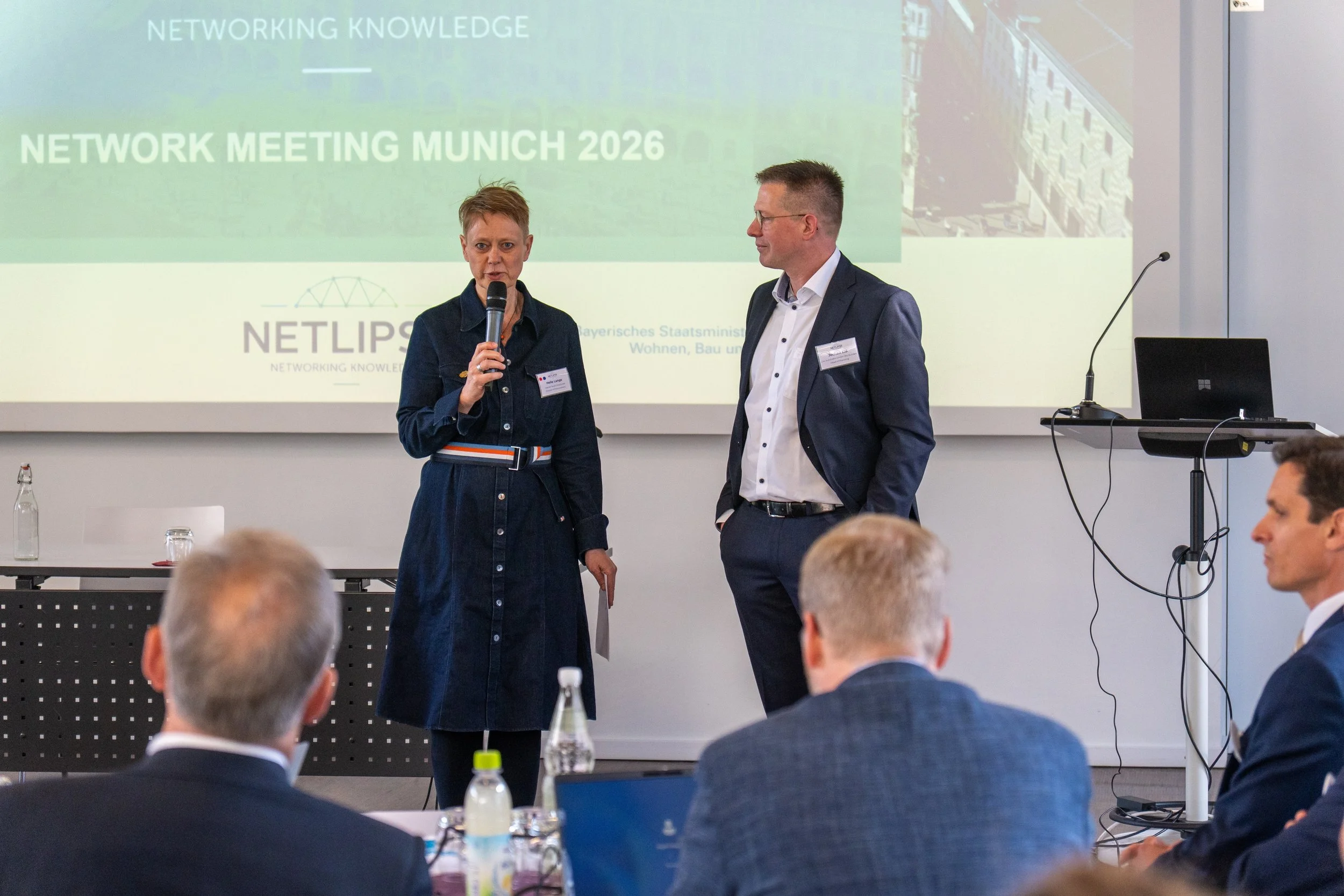
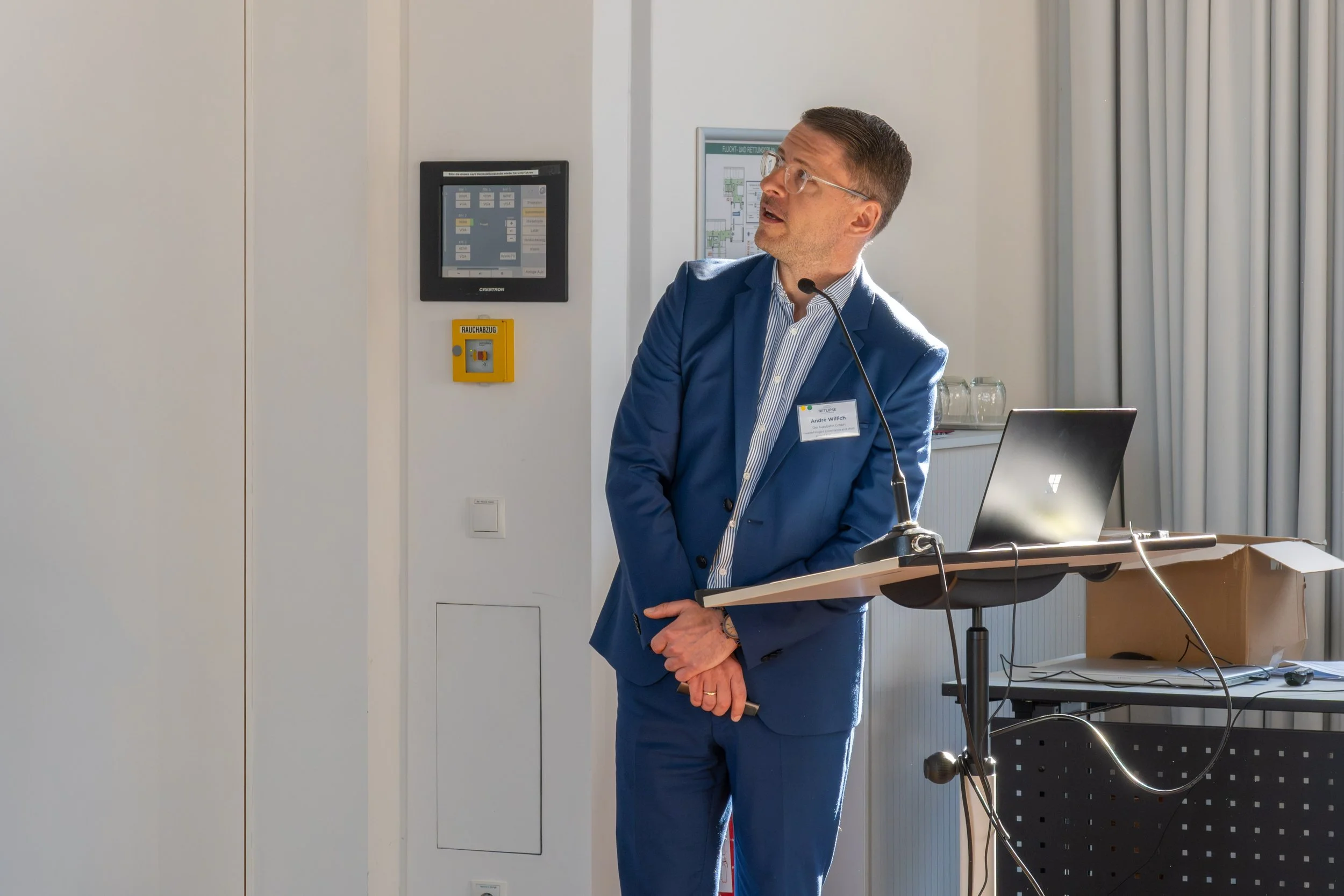
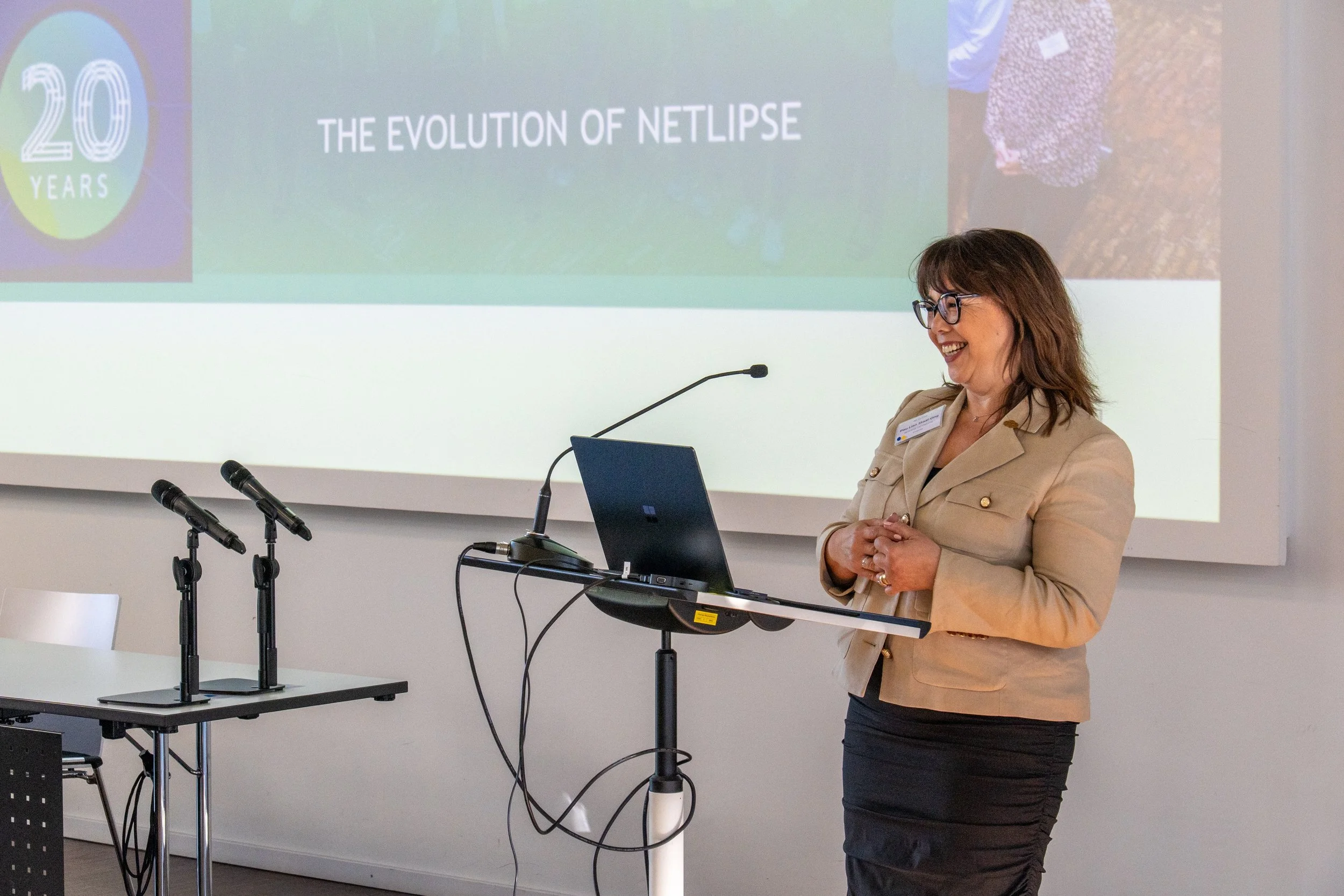
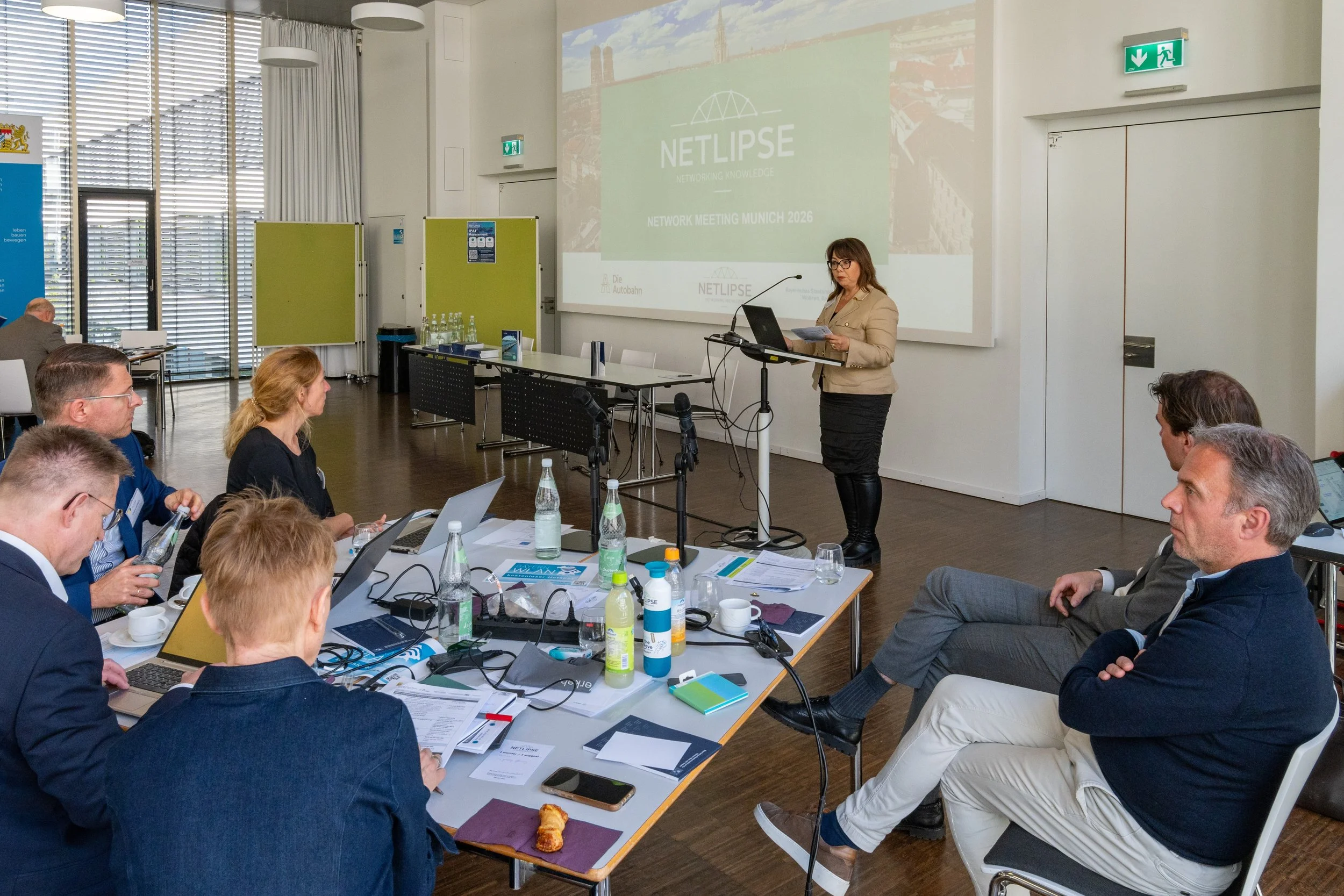
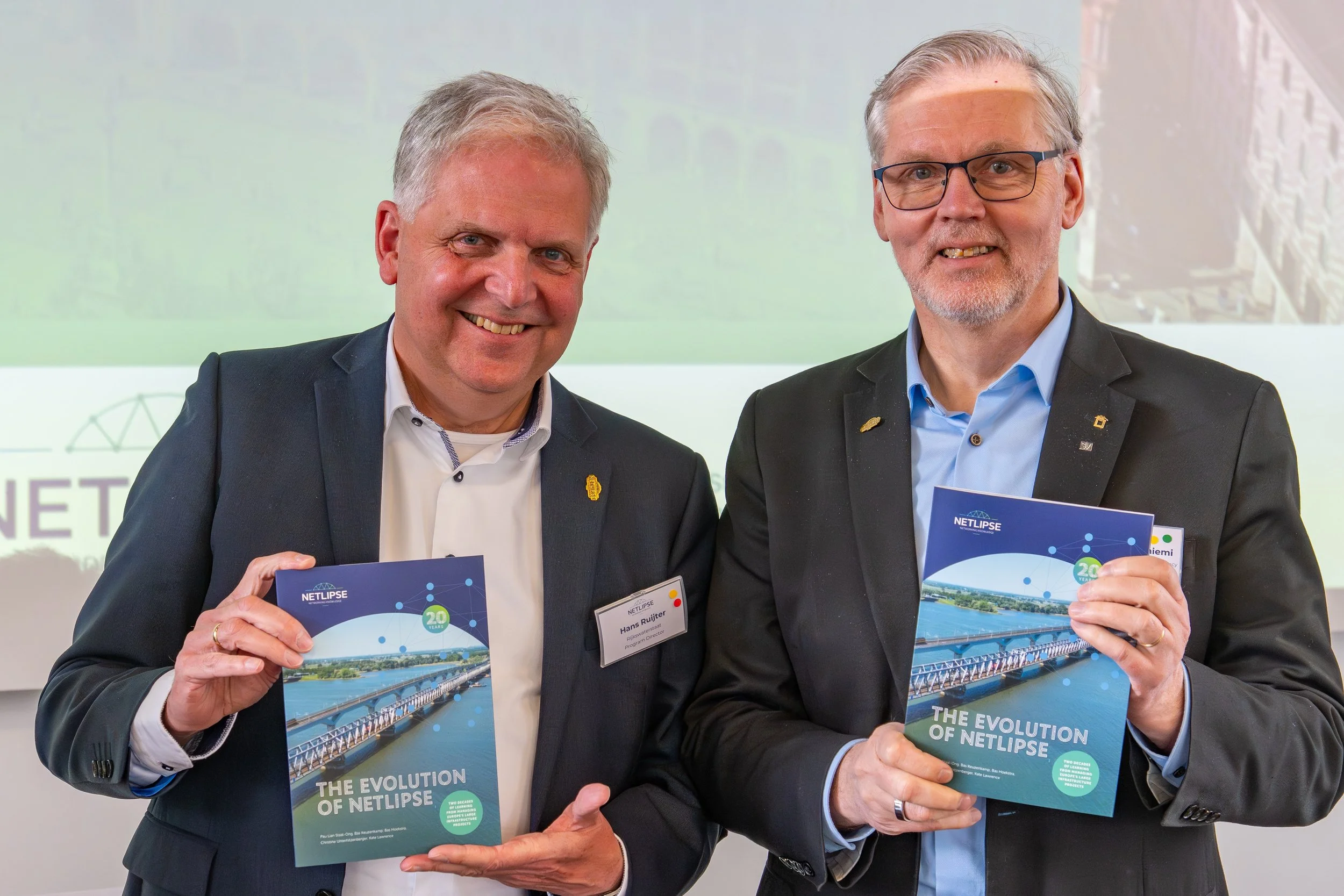
The Network Meeting was opened by Helle Lange (Chair, NETLIPSE). She was followed by welcoming remarks from the hosts Thomas Gruber (CEO, StMB) and André Willich (Head of Project Governance and Multi‑Project Management, Die Autobahn GmbH des Bundes). Pau Lian Staal‑Ong (Network Director, NETLIPSE) officially kicked off the meeting and introduced the anniversary book, with reflections and the research results of 20 years NETLIPSE network activities. In this Network Meeting there were four main themes that presenters and delegates discussed.
Theme 1: Managing collaborative contracts
The first theme focused on collaborative contracting models and the practical realities of applying them in different national and organisational contexts.
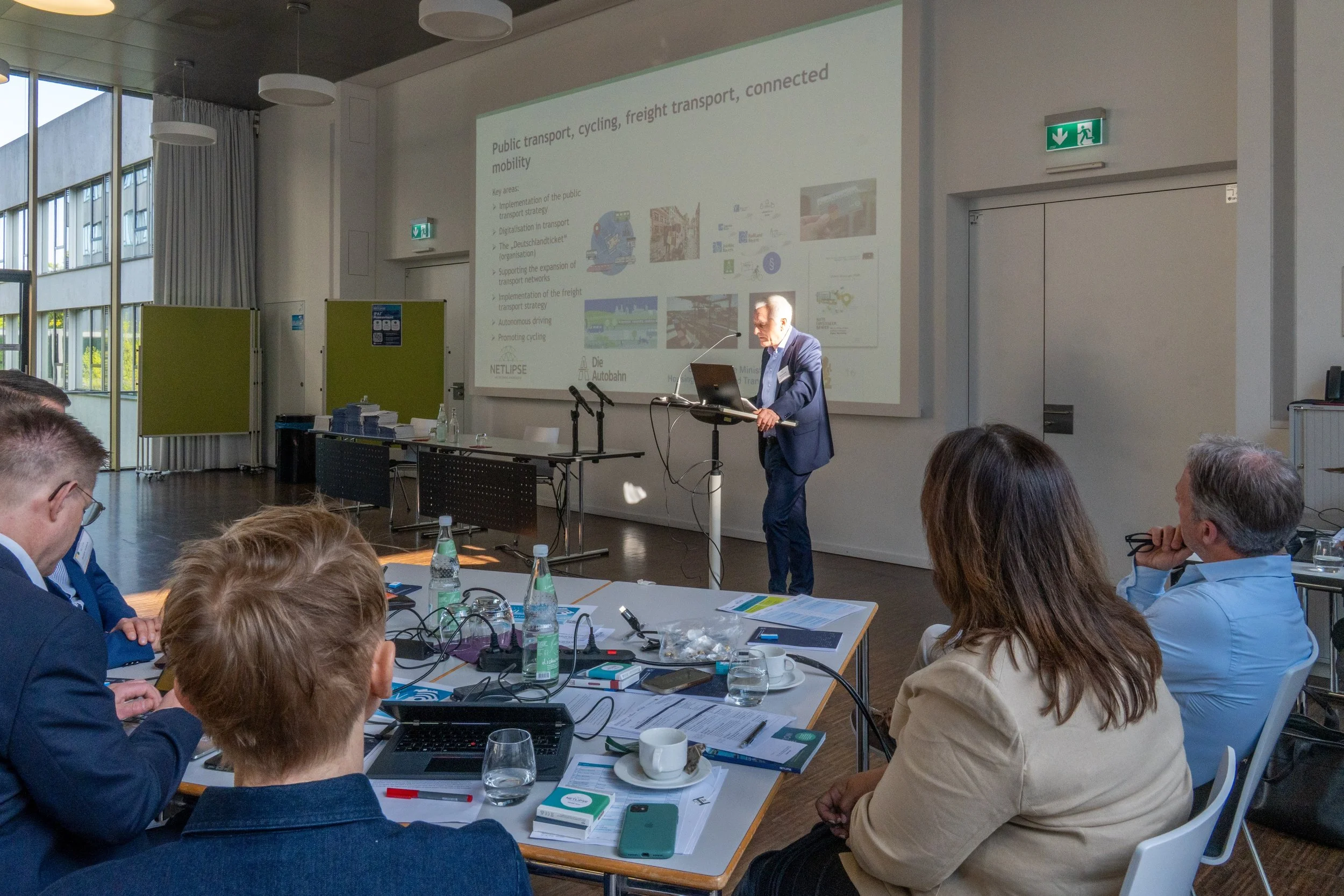
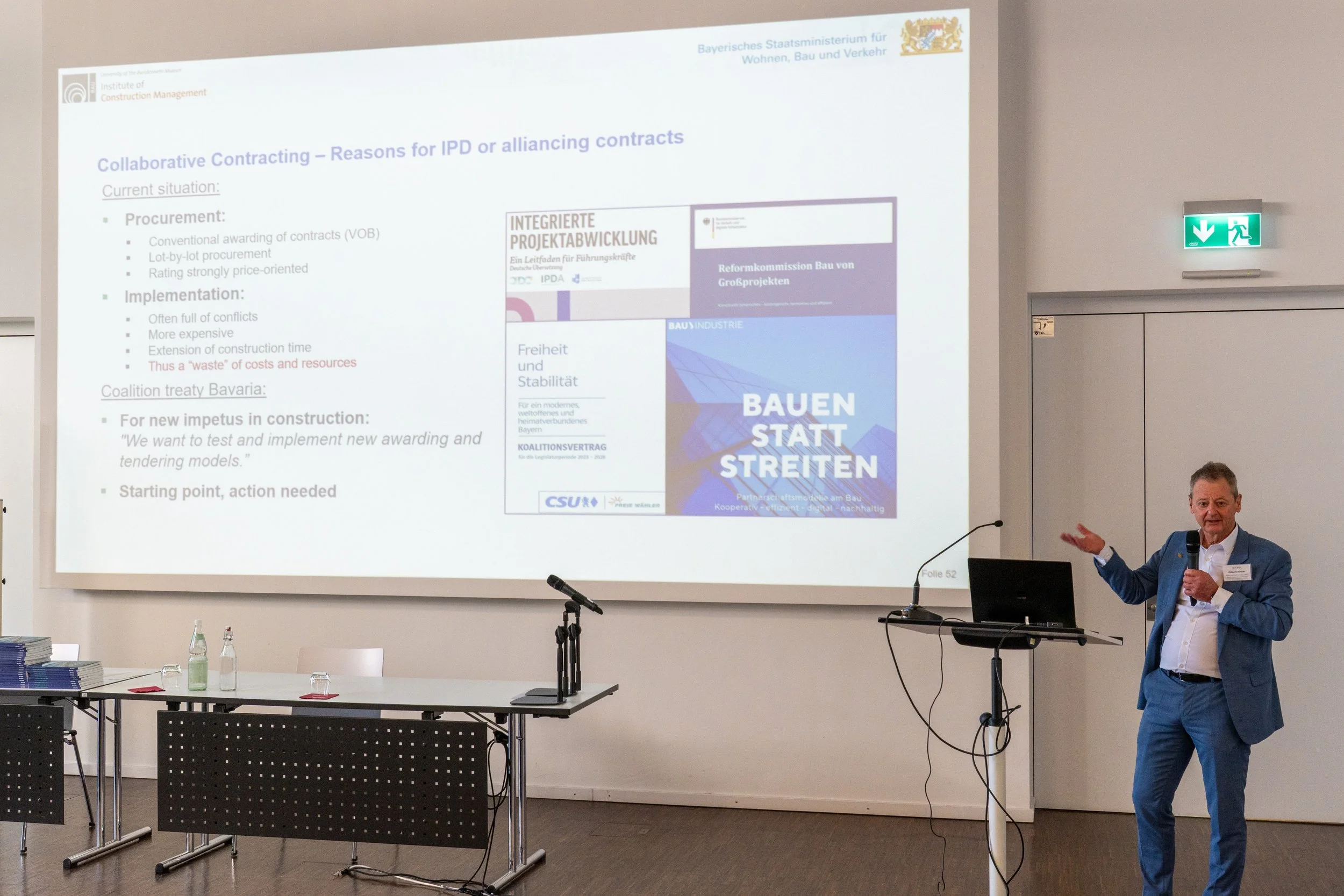
Gilbert Peiker (Head of Network Planning, StMB) introduced collaborative contracting within the Bavarian State Ministry, outlining the policy context, ambitions and early experiences.
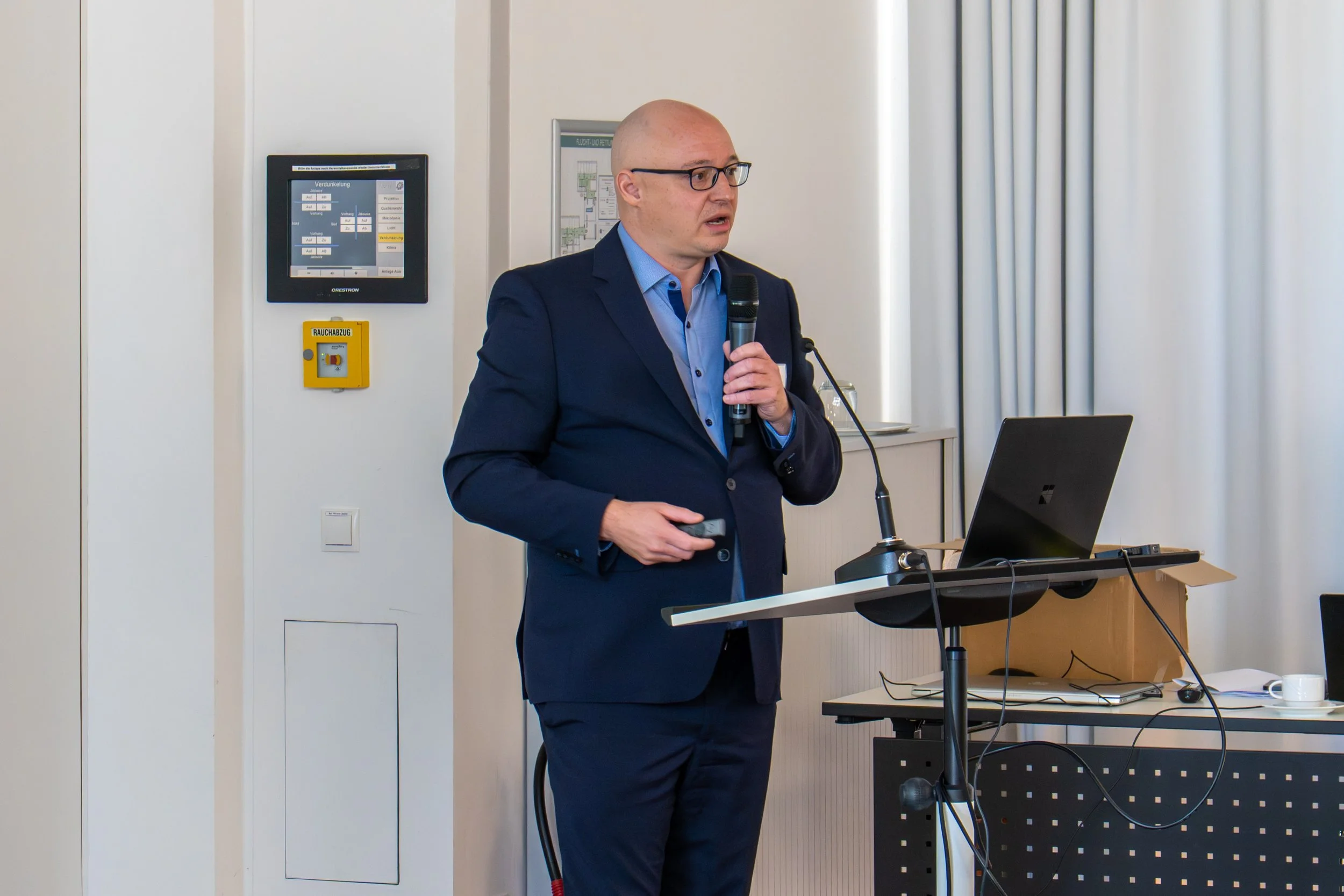
This was followed by Philip Sander (Head of the Institute for Construction Management, University of the Bundeswehr Munich), who presented the IPD pilot project for bridge renewals. His presentation showed how Integrated Project Delivery was translated from concept to a concrete pilot, including project selection criteria, governance choices and early lessons from implementation.
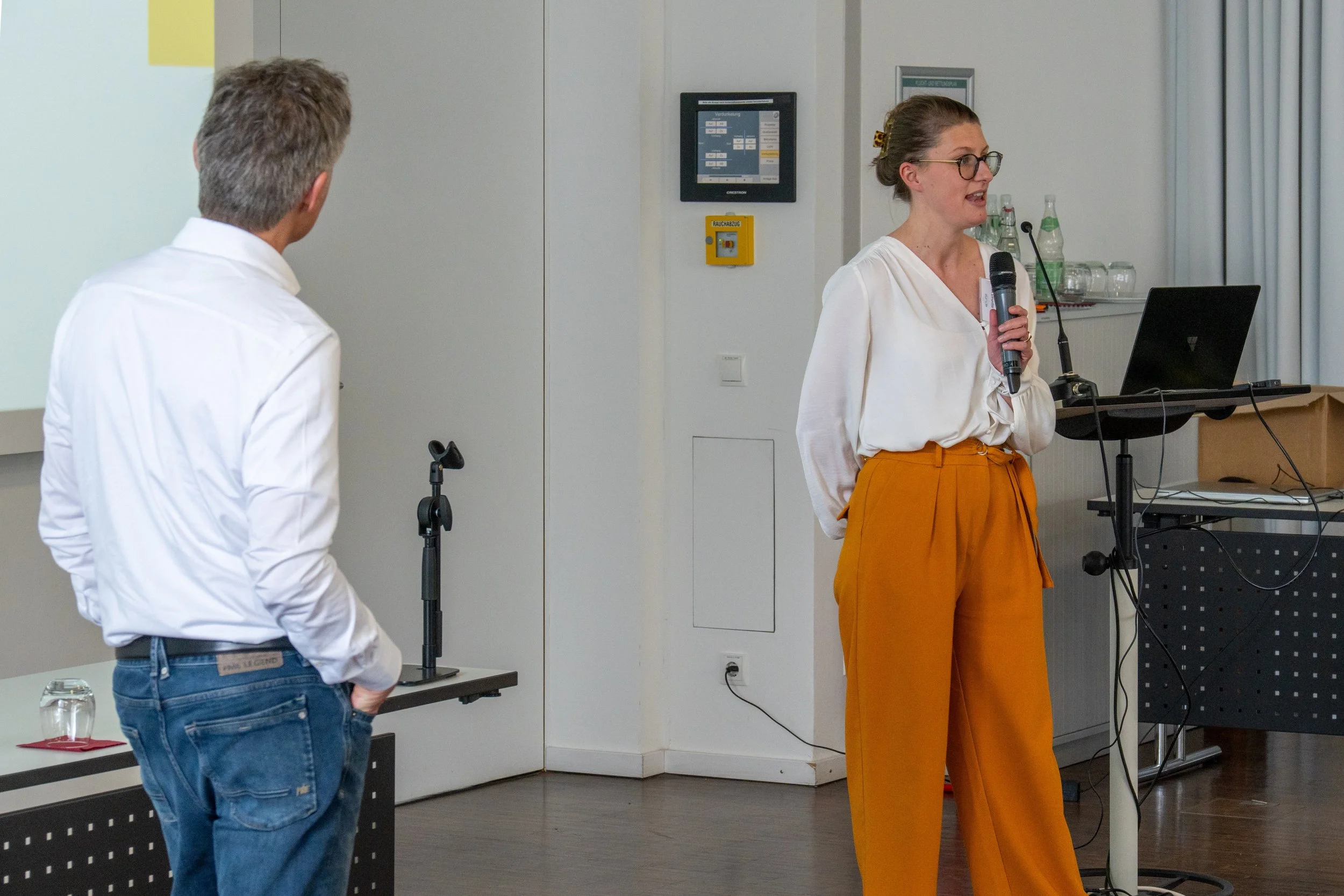
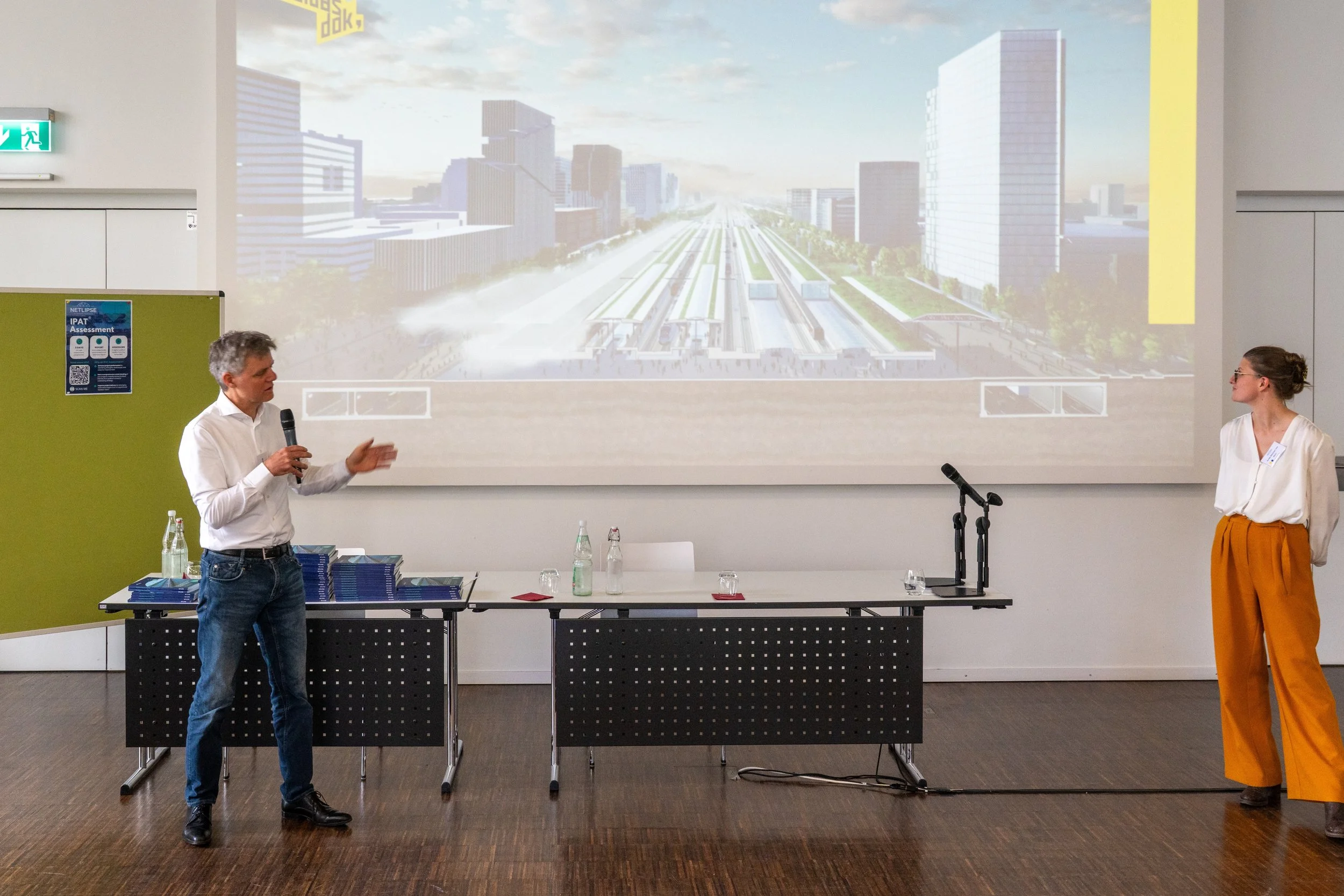
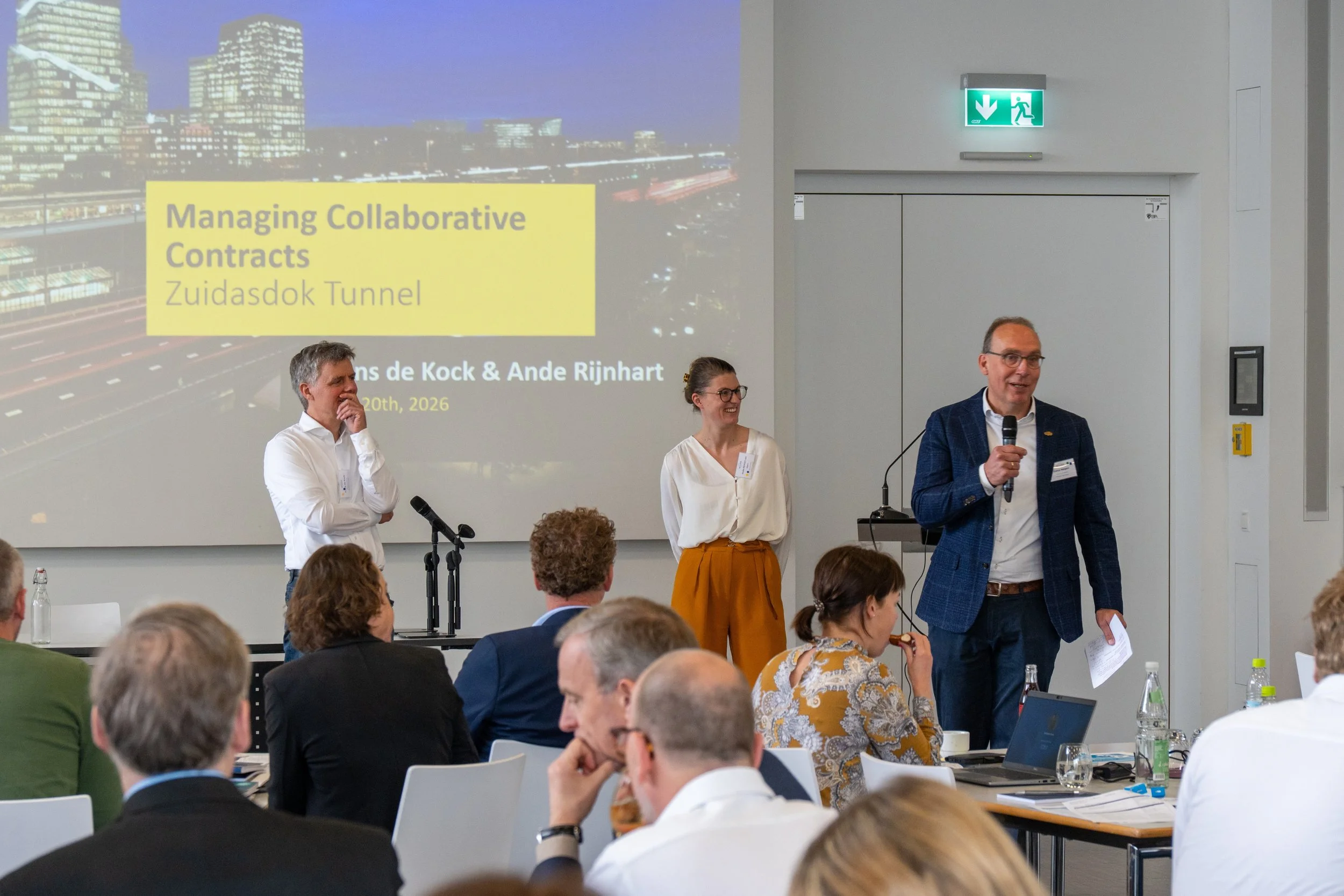
From a Dutch perspective, the Zuidasdok Tunnel project was presented by Frans de Kock (Project Manager Zuidasdok Tunnel, Rijkswaterstaat) and Ande Rijnhart‑van Horn (Contract Manager Zuidasdok Tunnel, Rijkswaterstaat). They shared candid reflections on Early Contractor Involvement, addressing not only the intended benefits, but also the frictions encountered around pricing, risk, behaviour and culture in a highly complex urban project.
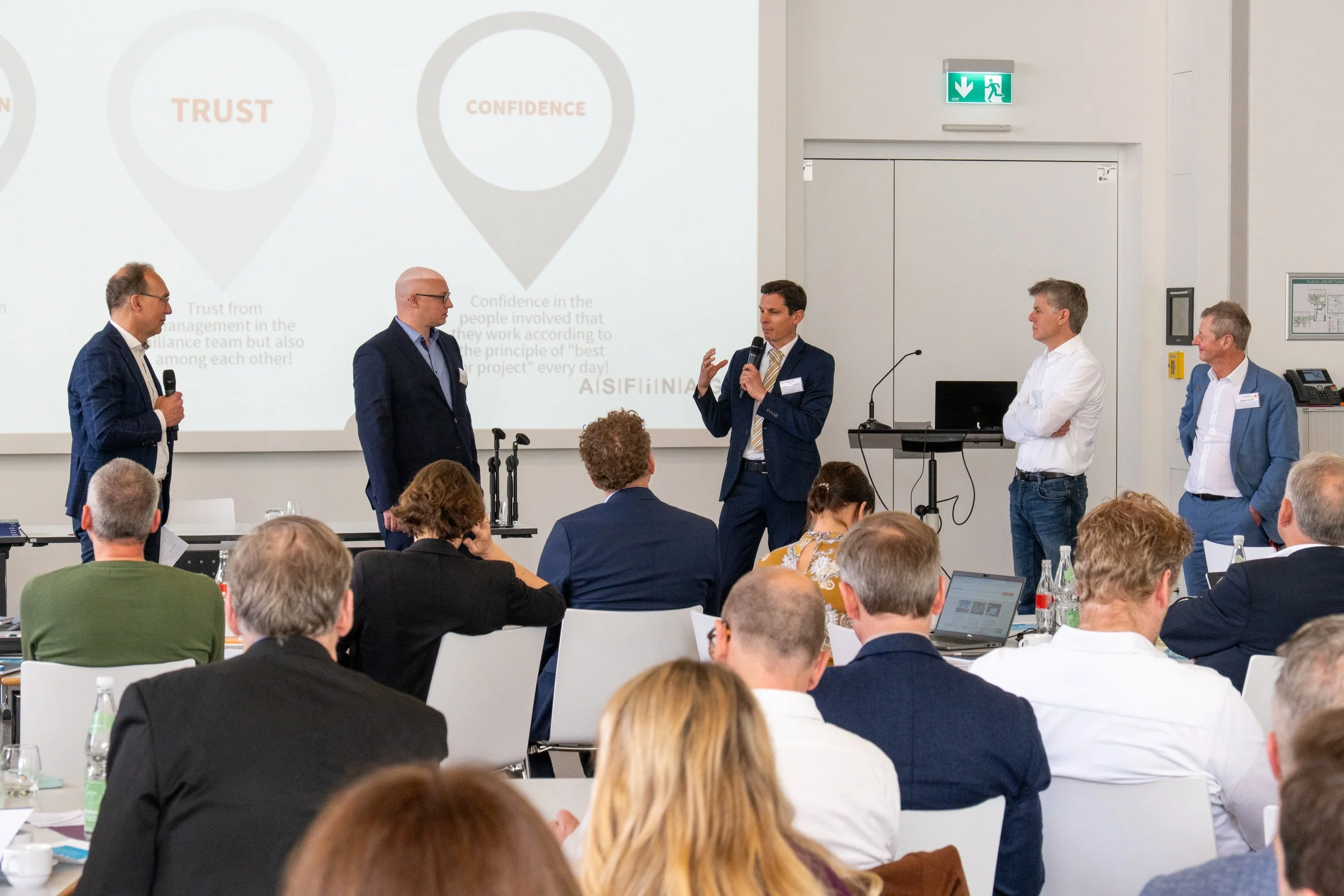
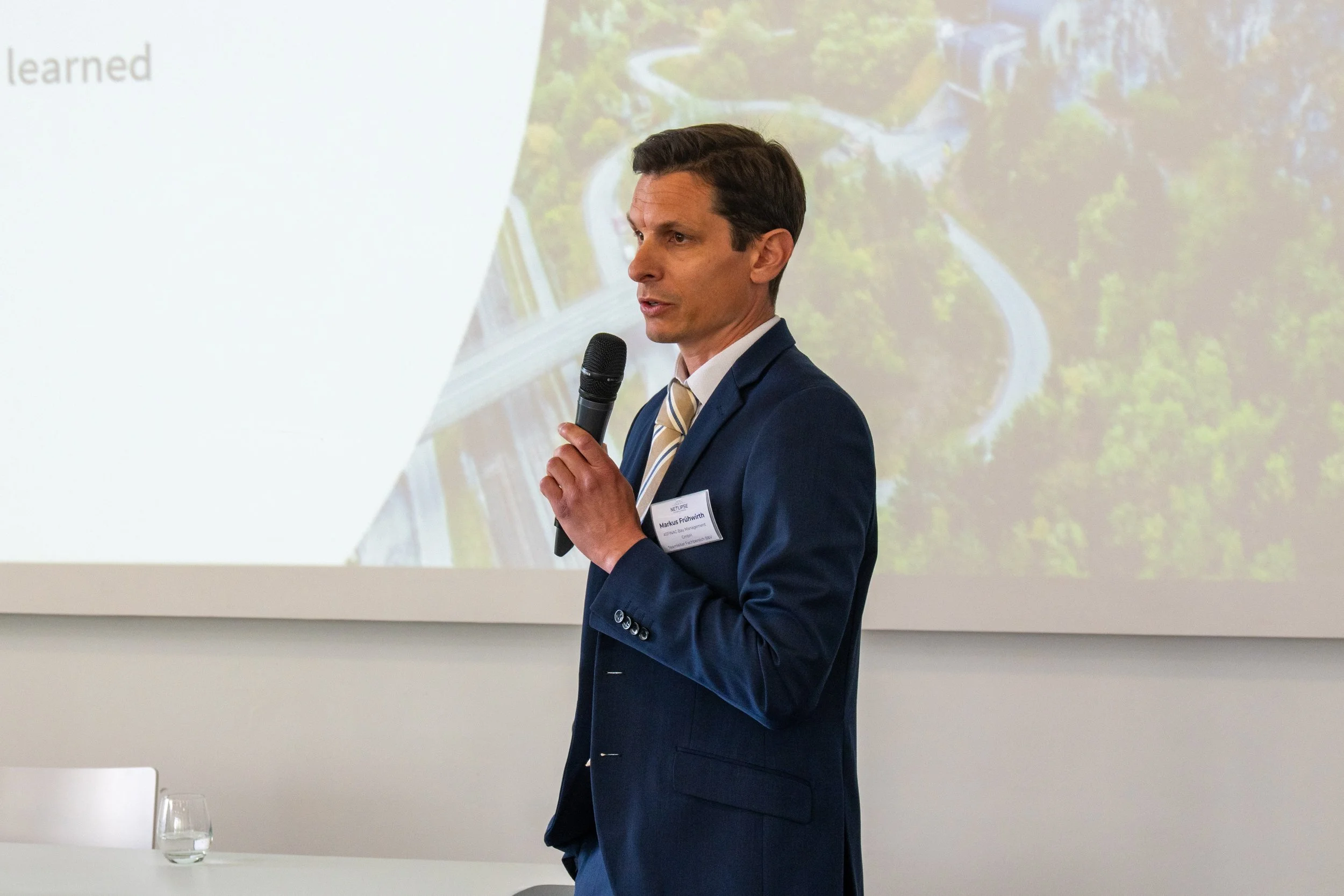
An Austrian perspective was provided by Markus Frühwirth (Contract Manager A12 Landeck Tunnel, ASFiNAG), who presented the Alliance Contract for the A12 Landecker Tunnel. He explained how shared risk, target costing, incentive mechanisms and alliance governance are applied in daily practice, including lessons learnt on transparency, communication and trust.
Across the different cases, a shared lesson clearly emerged: trust is essential for collaborative contracts. Trust often builds slowly over time and can unfortunately be lost very quickly. Speakers and participants recognised that contractual innovation alone is not enough; sustaining collaboration requires continuous attention to behaviour, leadership and openness throughout the project lifecycle.
Theme 2: Embracing AI and digital innovations
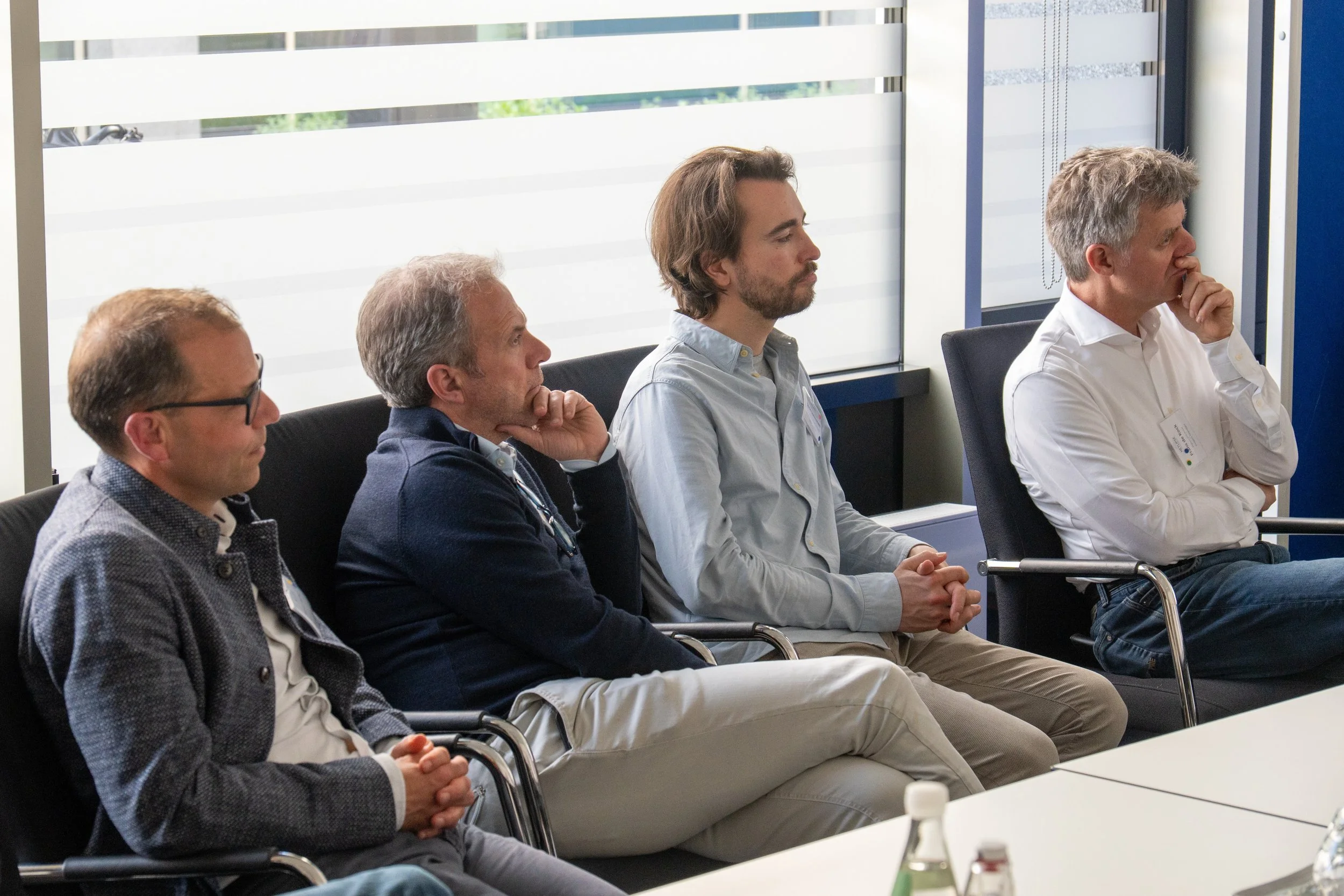
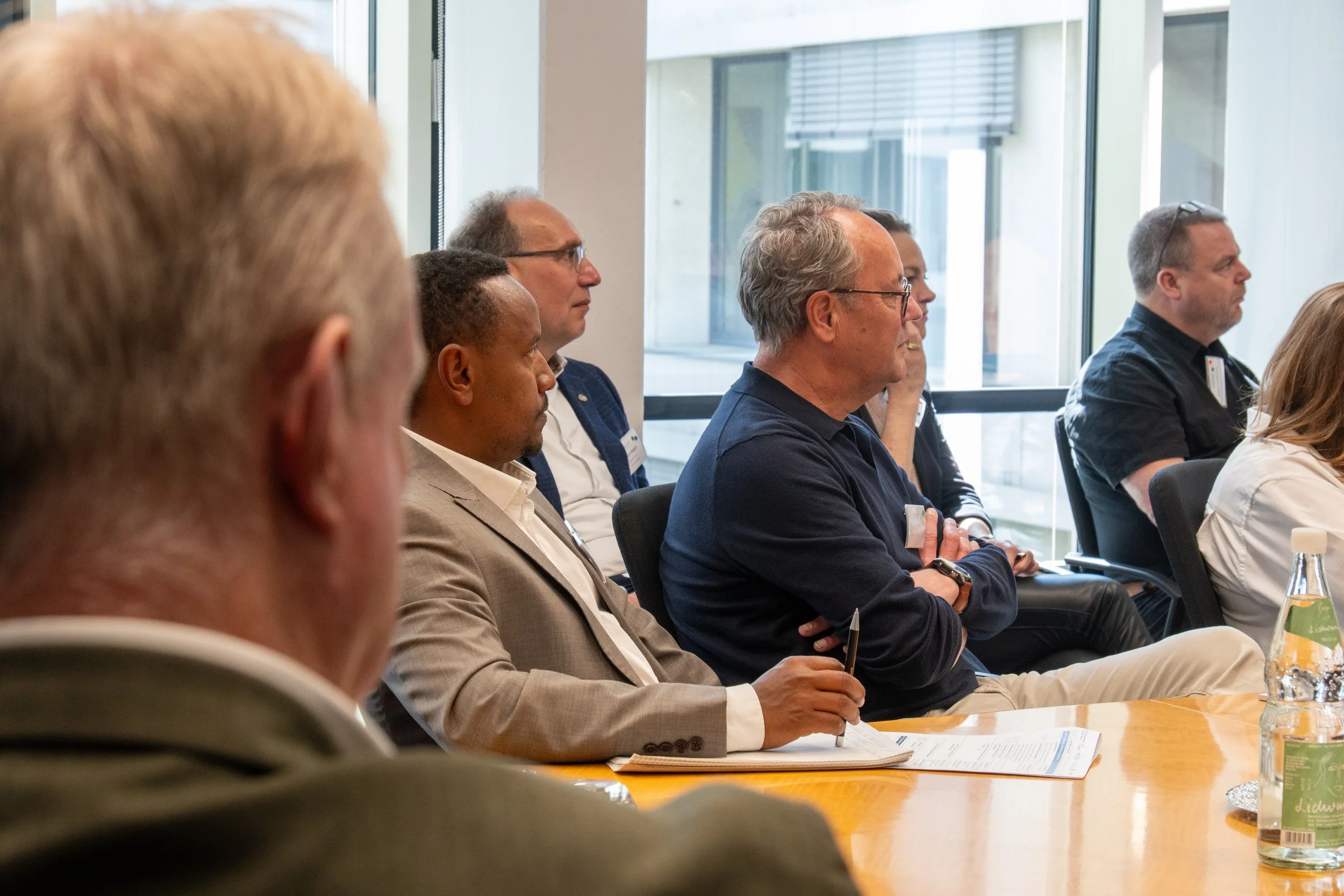
The afternoon focused on AI and digital innovations in infrastructure project management.
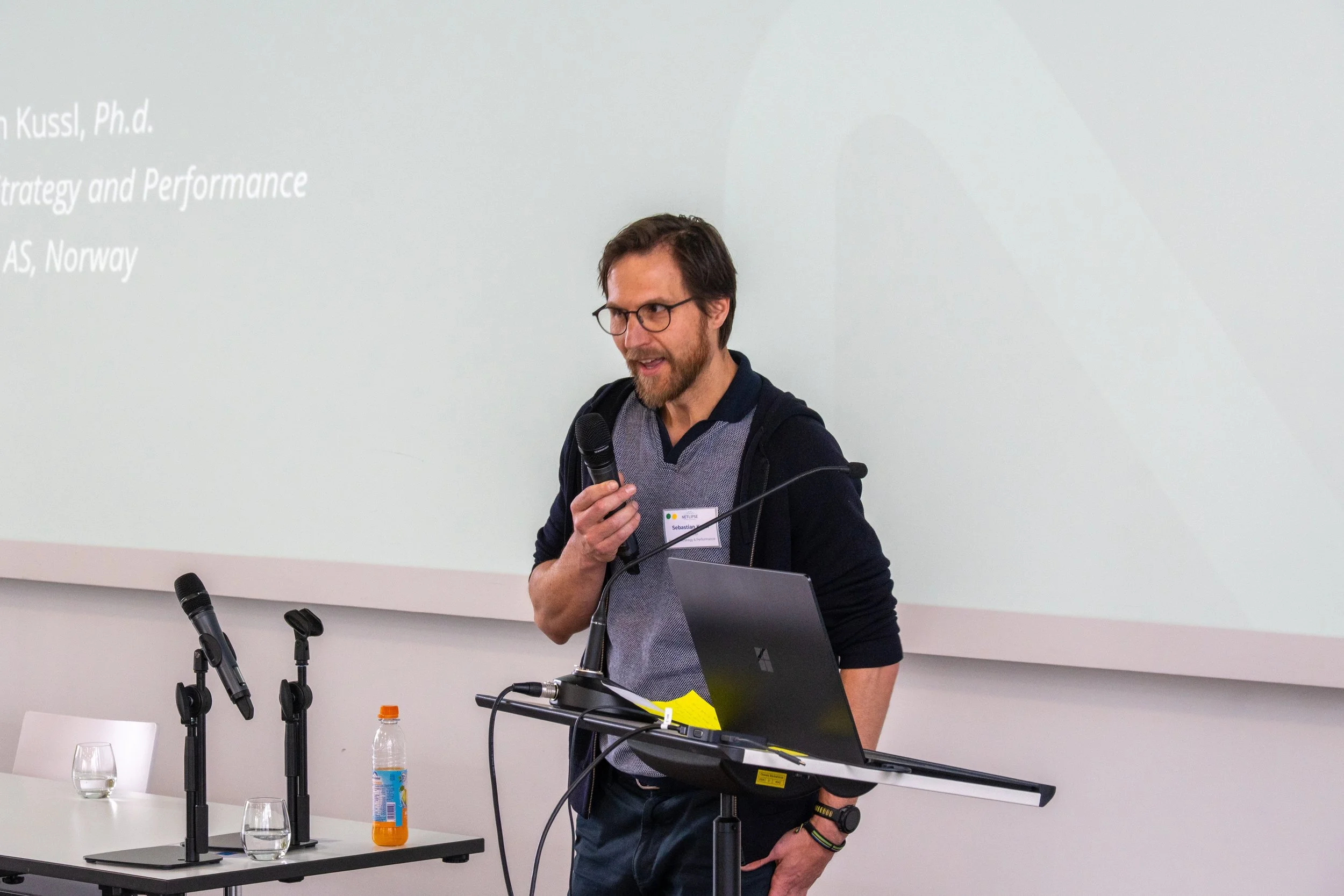
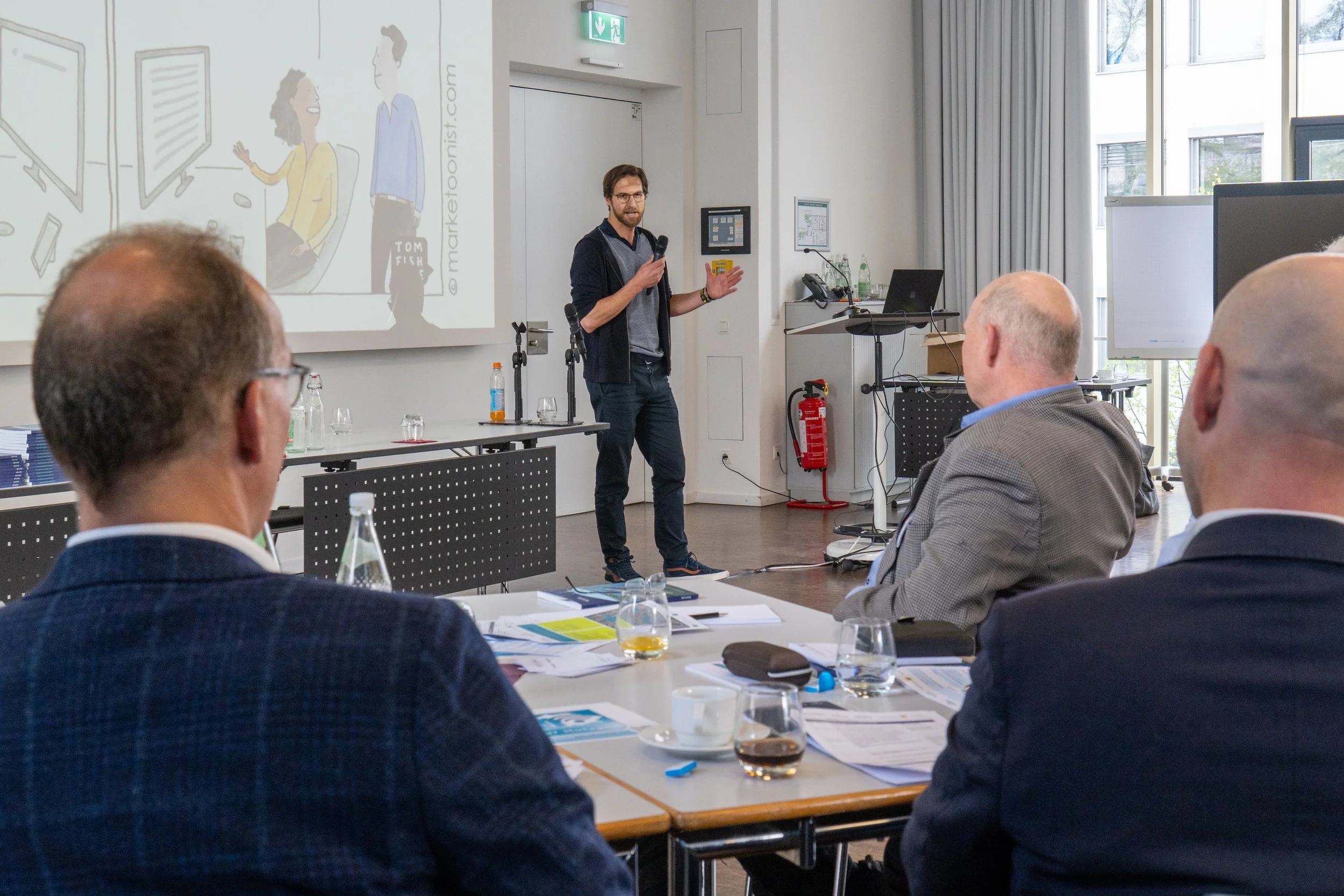
In the keynote From Asphalt to Algorithms, Sebastian Kussl (Head of Strategy and Performance, Nye Veier) reflected on how technological change affects organisations and vice versa. He pointed out that the effectiveness of AI depends largely on how it is embedded within the organisation. AI creates value when it responds to real organisational questions and supports decision‑making where it matters, rather than when its driven by technology push alone.
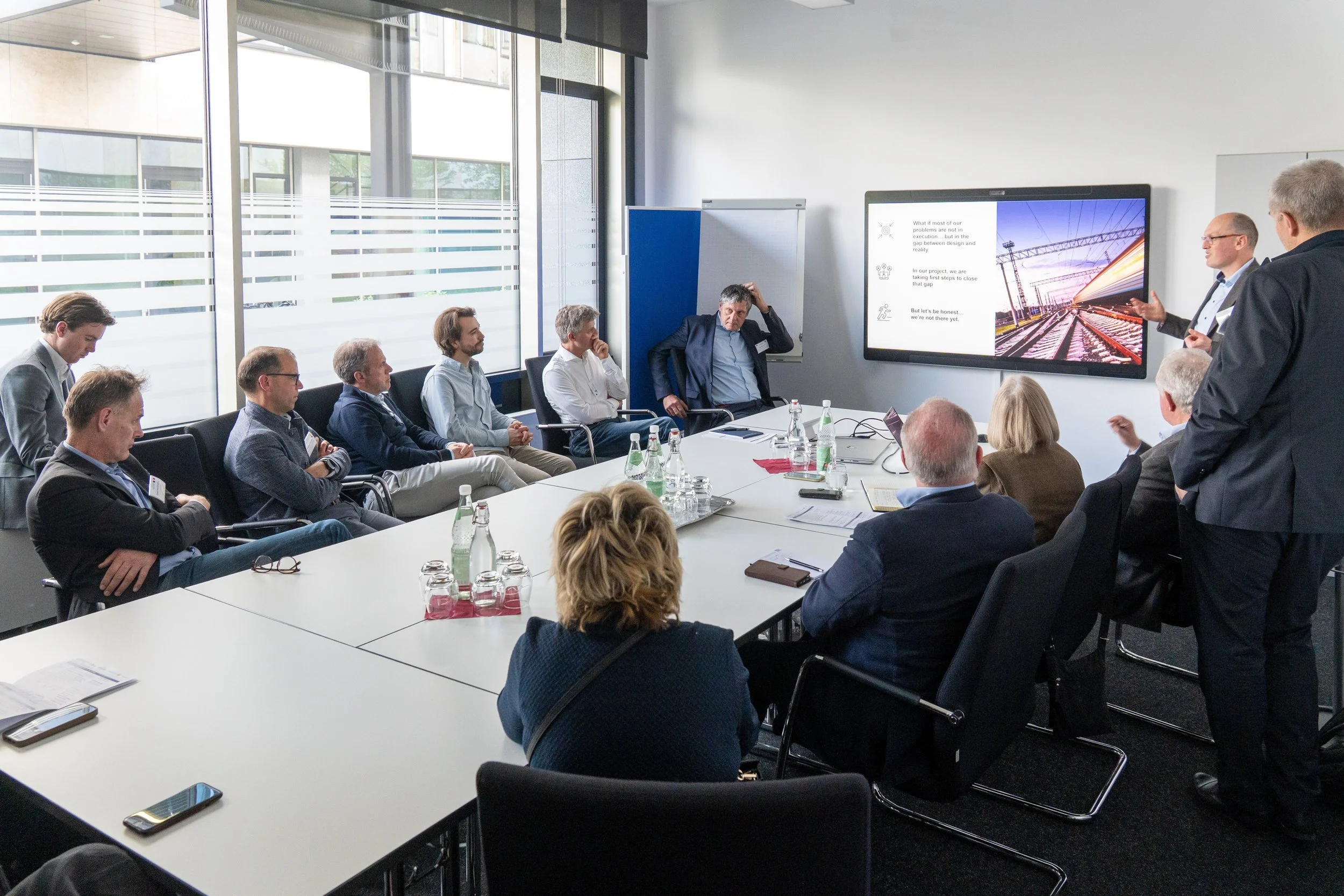
The keynote was followed by two carousel rounds with practical examples:
AI pilot for checking tender requirements, presented by Magnus Nygård (Division Director Projects, FTIA) illustrating how AI can support procurement processes.
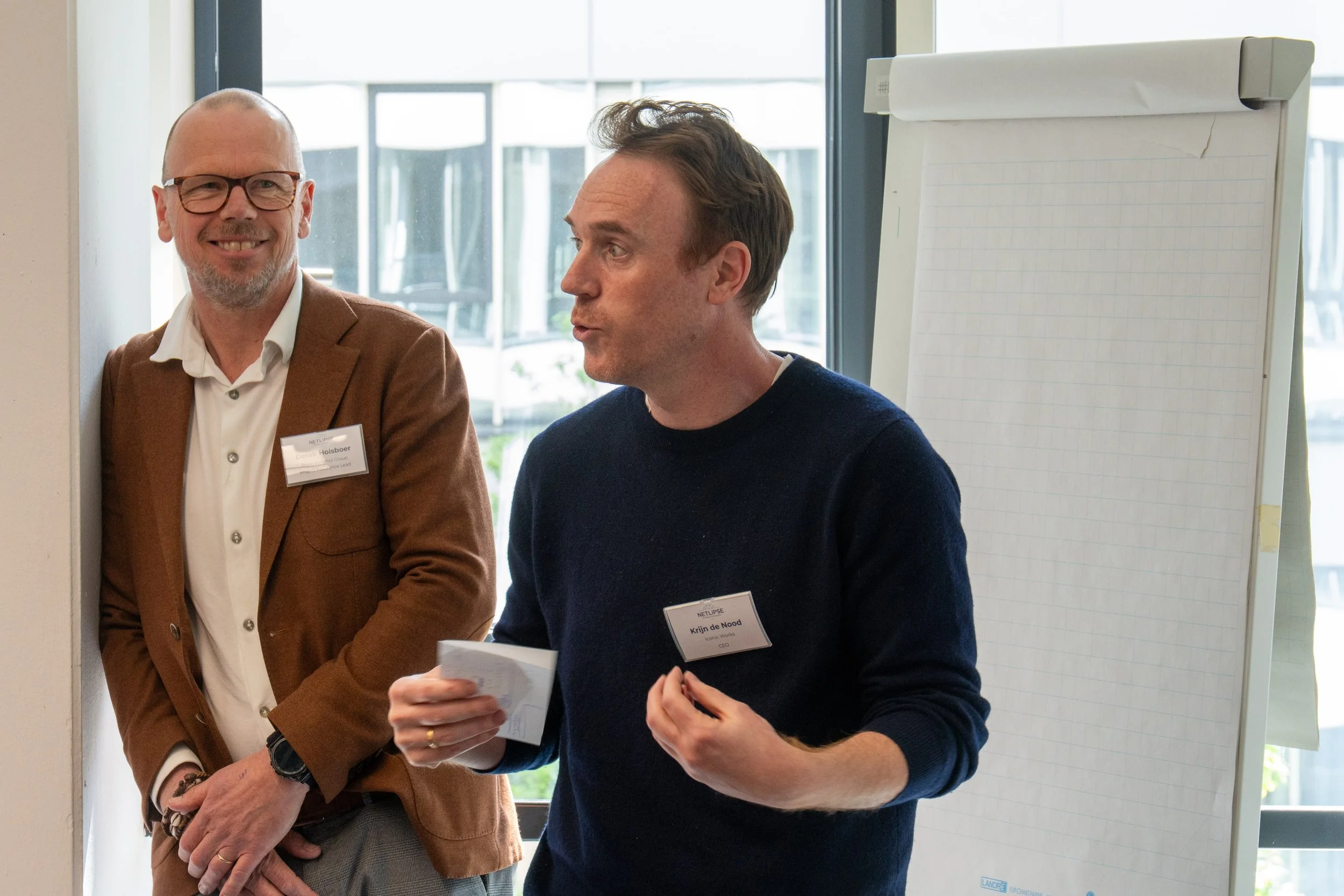
Automating the project life cycle with AI, presented by Derek Holsboer (Project Assurance Lead, Schiphol Airport), Richard Stronkman and Krijn de Nood (Co-Founders, Iconic Works), explaining the product they are developing which helps to professionalise project assurance within Schiphol Infrastructure.
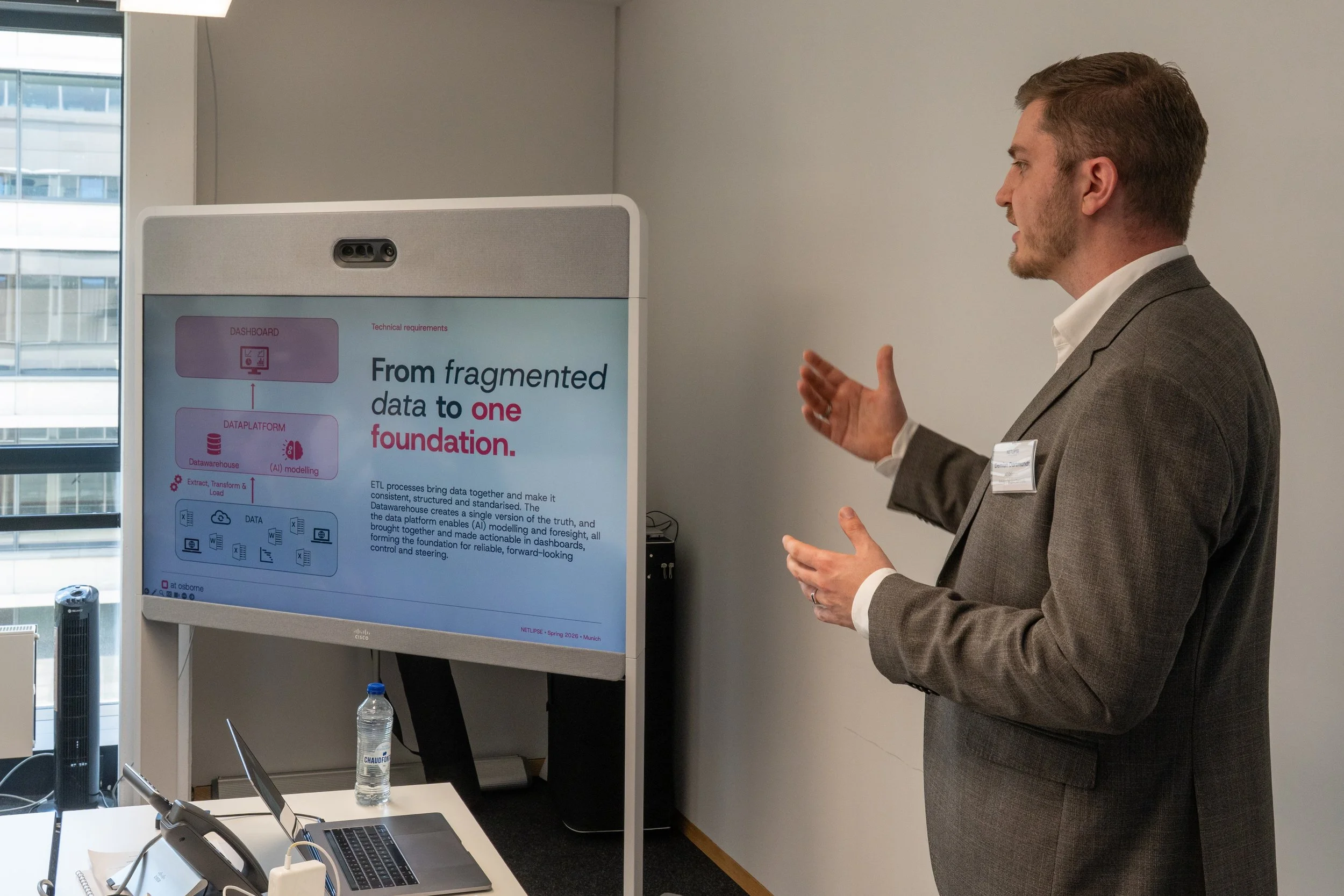
Dashboarding with PRISMA in large infrastructure projects, presented by Demian Dortmundt (Project Management Advisor, AT Osborne), showing how integrated dashboards support project controls and improves the steering and control processes.
Robots in the ERTMS programme, presented by René van der Haar (Project Manager ERTMS, ProRail), demonstrating an AI driven robot, automating rail construction.
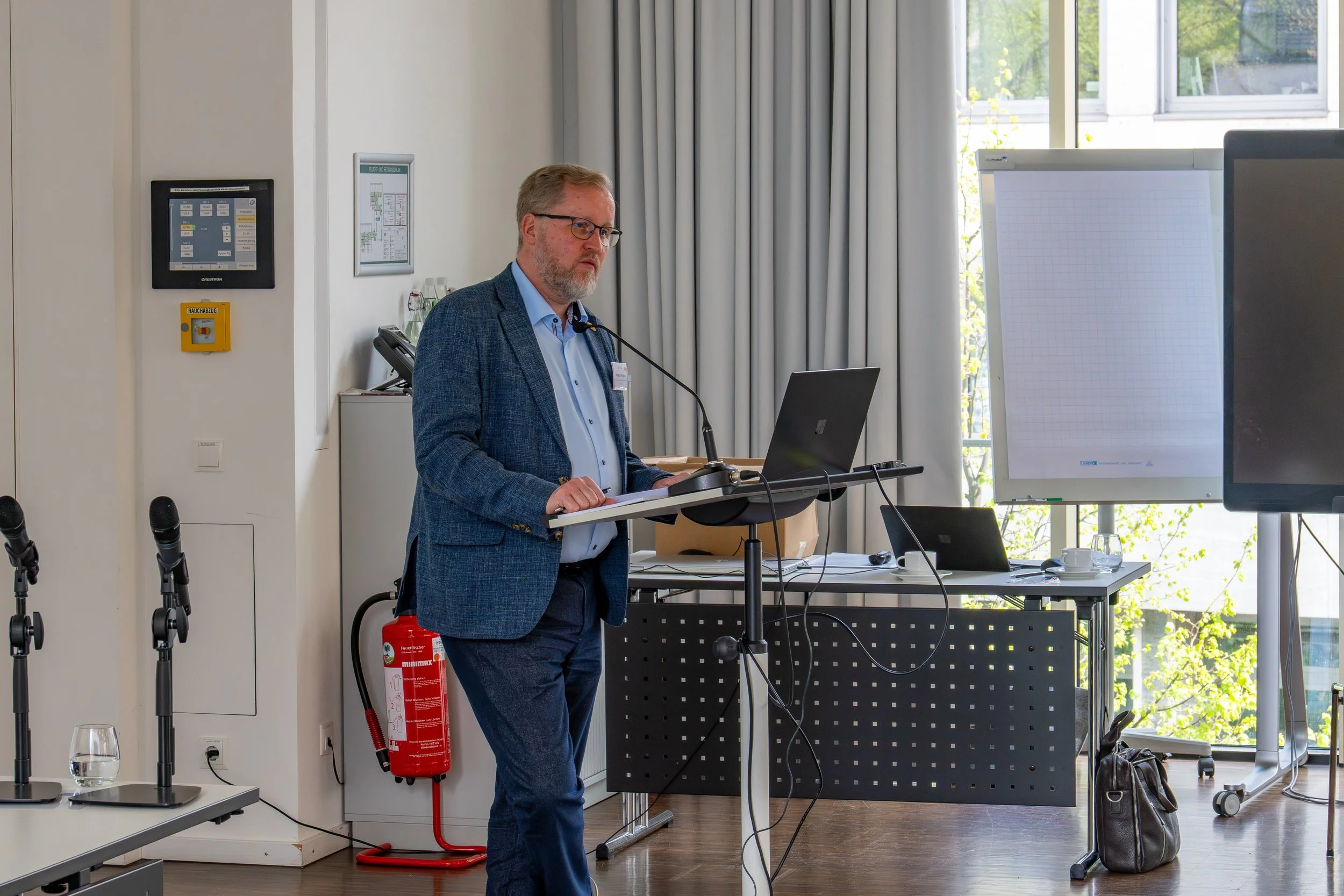
The plenary conclusion was moderated by Helle Lange (Chair, NETLIPSE) and underlined that digital innovation is primarily an organisational and governance challenge, not just a technical one.
Theme 3: Leadership in infrastructure project management
The final theme of day 1 explored leadership in long‑term and complex projects and was introduced by Pau Lian Staal‑Ong (Network Director, NETLIPSE).
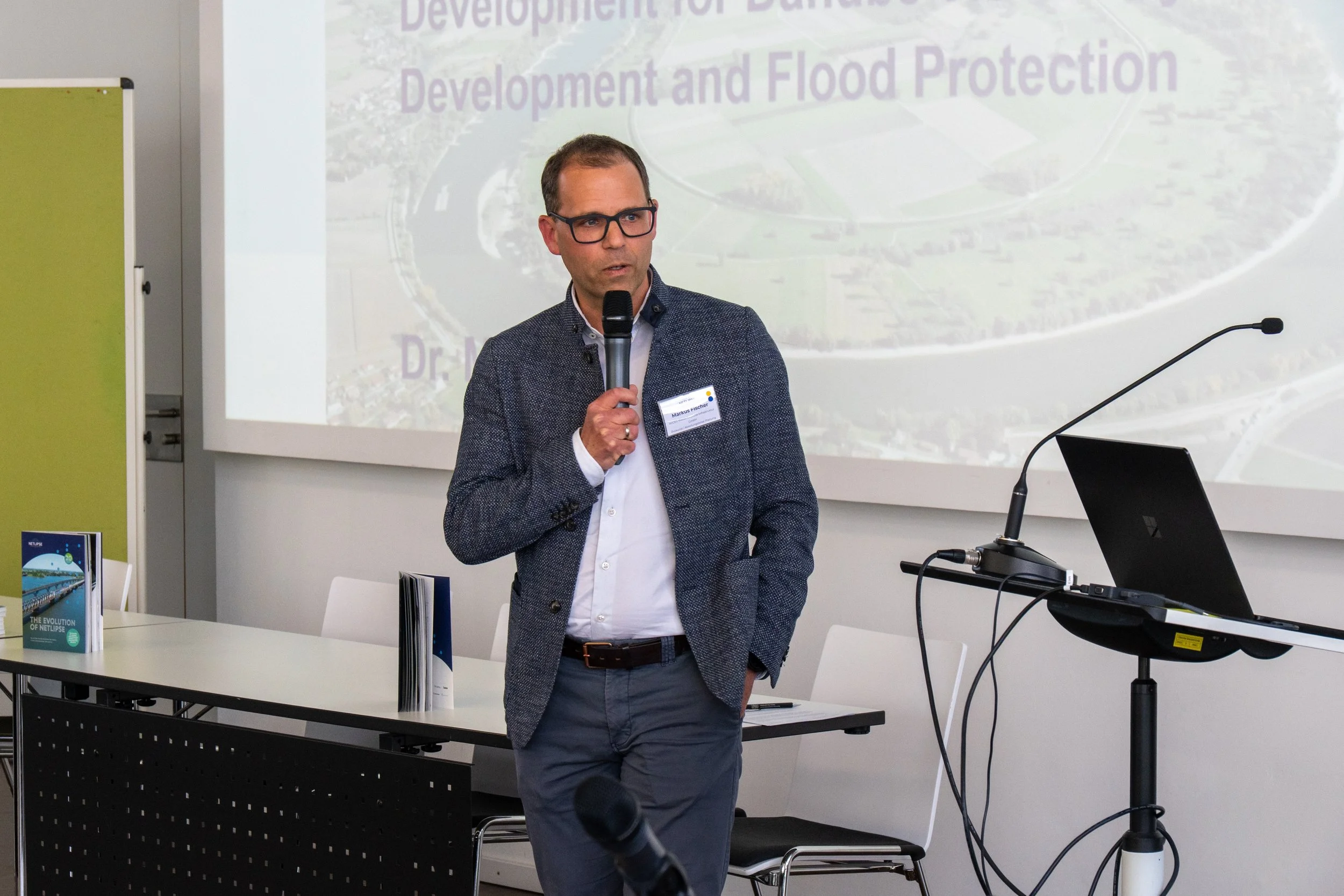
Markus Fischer (Head of Planning, WIGES) opened his presentation with a striking example of social team building: his project team performs together in a band! Using examples from the Danube Waterway development, he reflected on motivation, organisational structure and continuous staff development as key success factors.
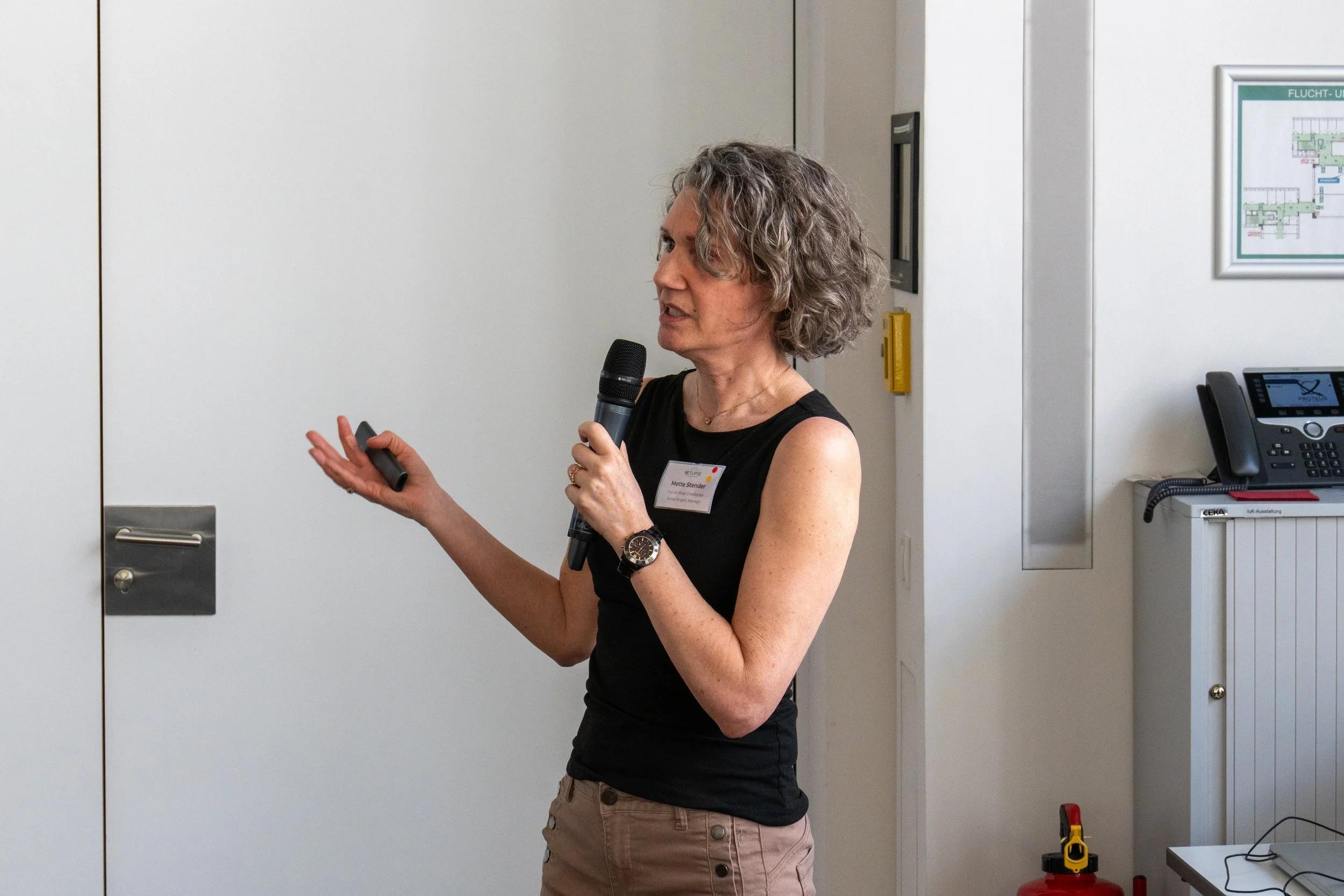
This was followed by Mette Stender (Project Manager Copenhagen Harbour Tunnel, Danish Road Directorate), who shared reflections from the Copenhagen Harbour Tunnel project. A central message in her presentation was that soft skills are never finished: leaders must continuously develop skills such as communication, reflection and adaptability as projects and contexts evolve.
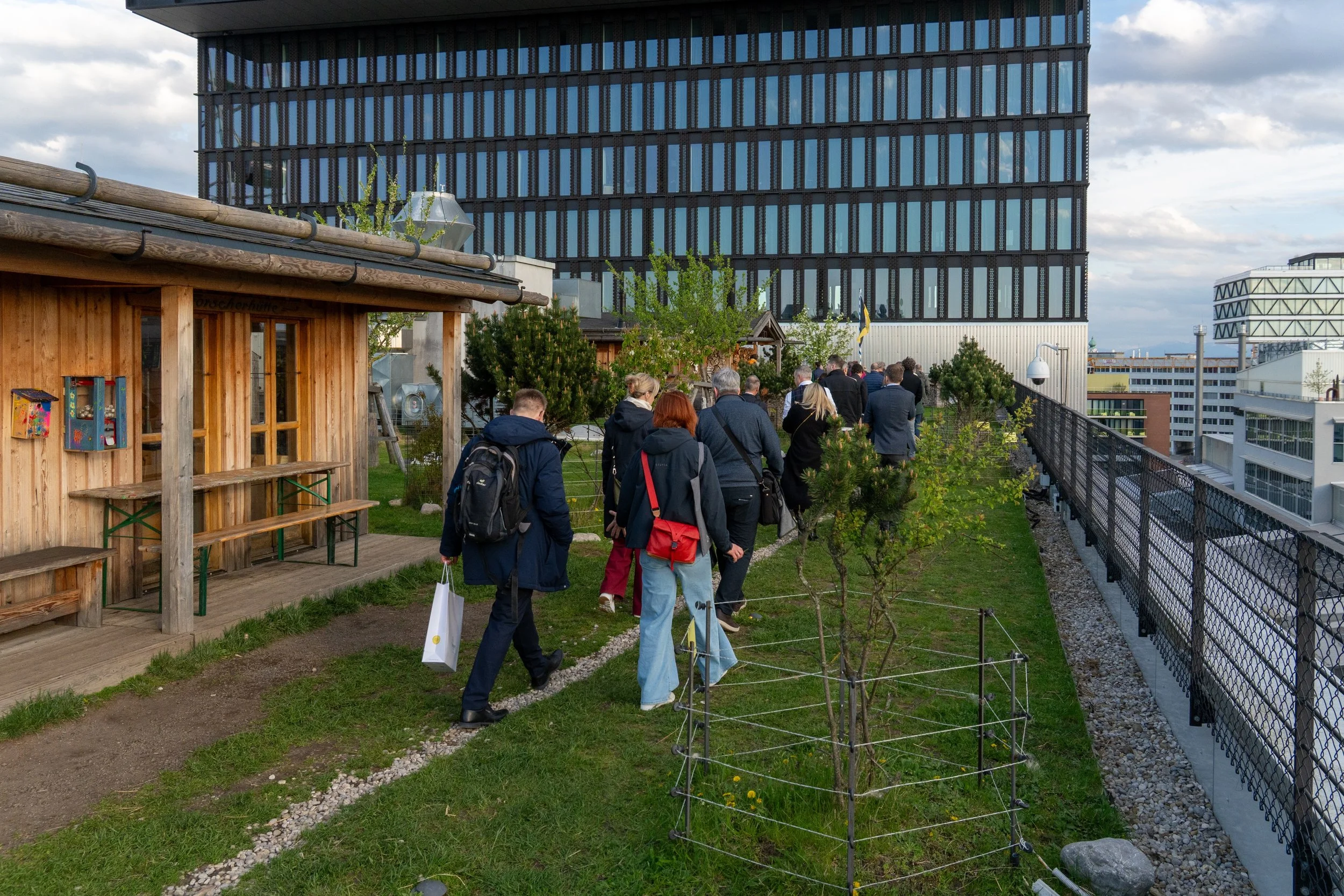
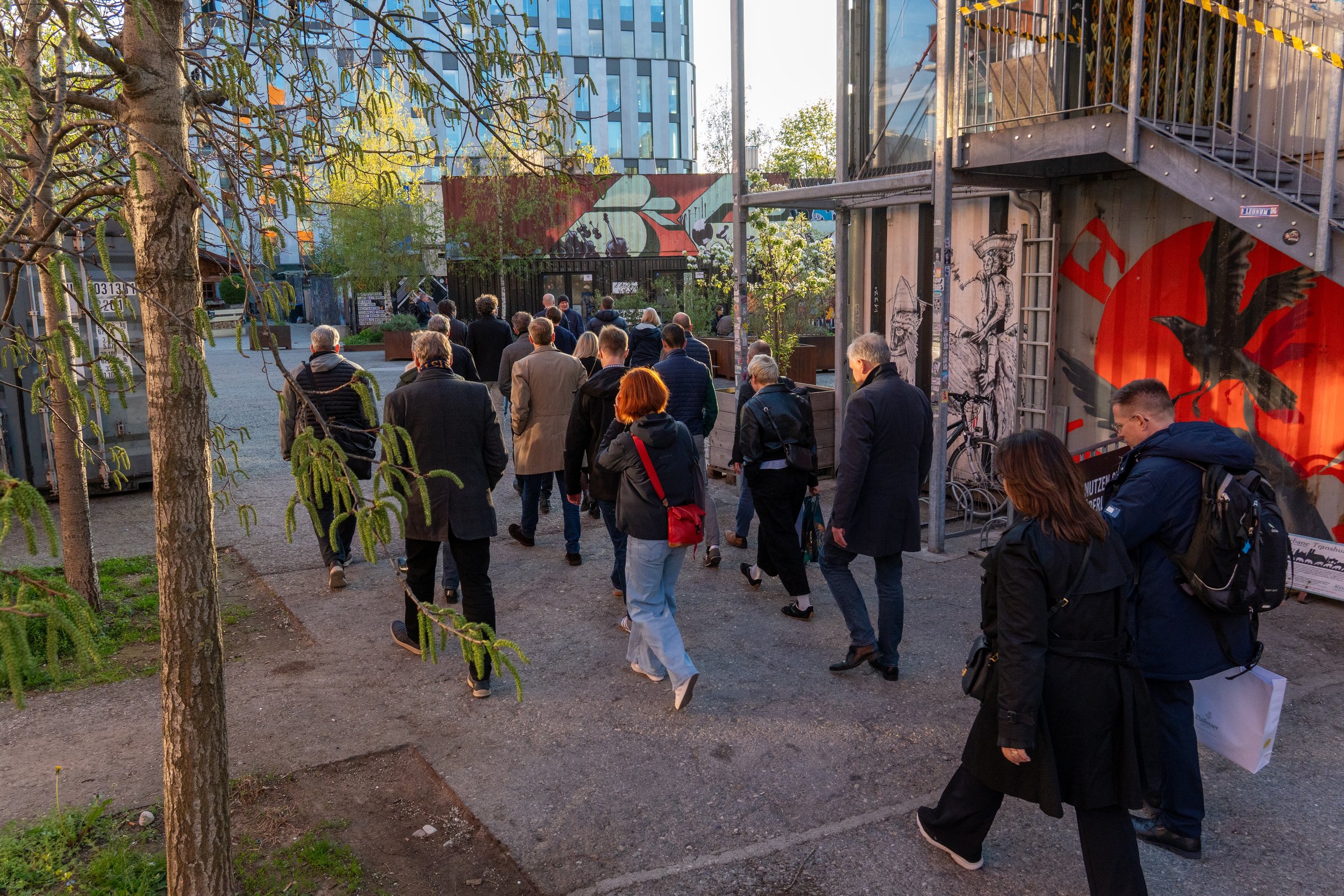
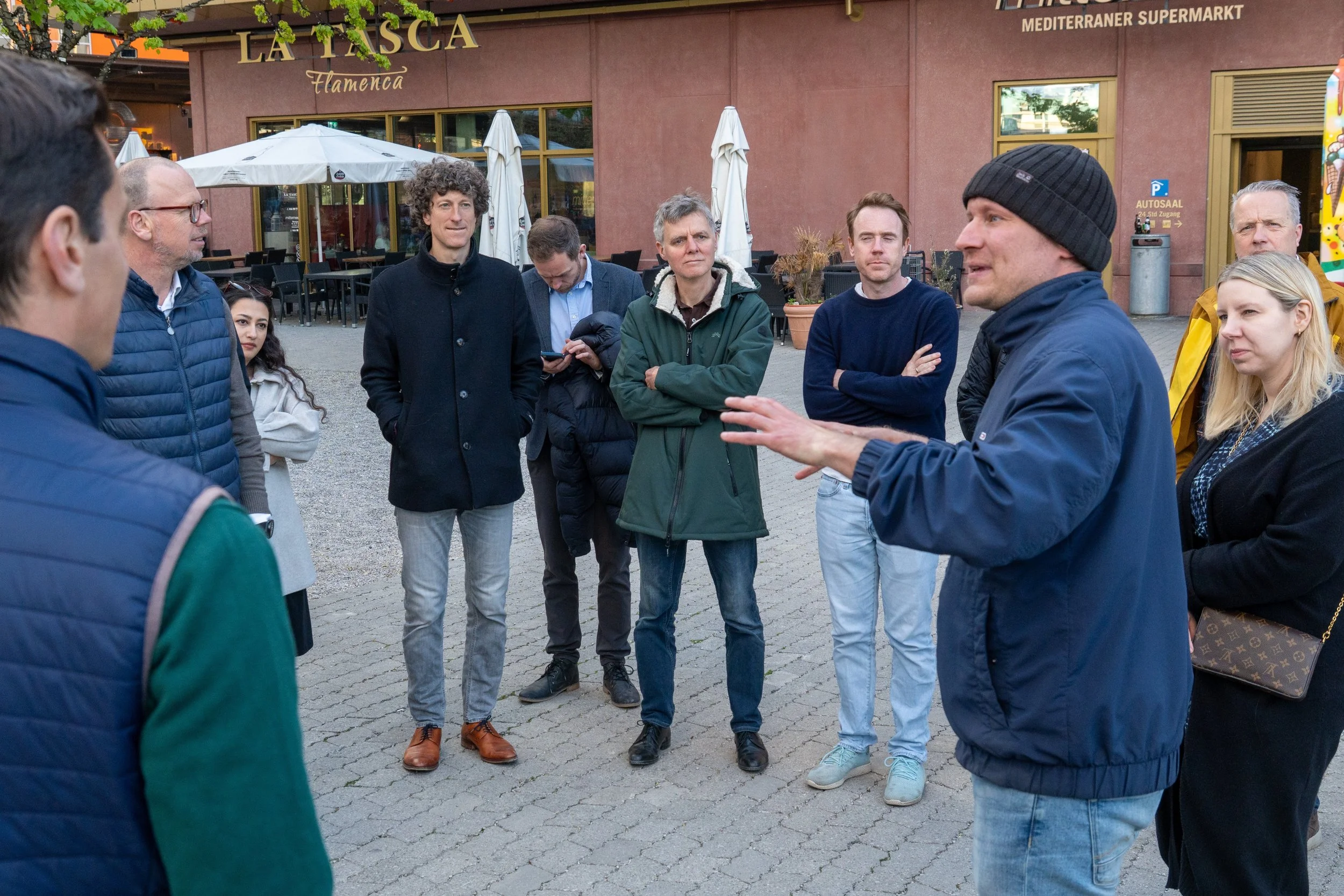
Day 1 concluded with a site visit to Werksviertel-Mitte, a new innovative urban district, where one building accommodates chickens and sheep on its roof, and a networking dinner in a traditional Bavarian restaurant.

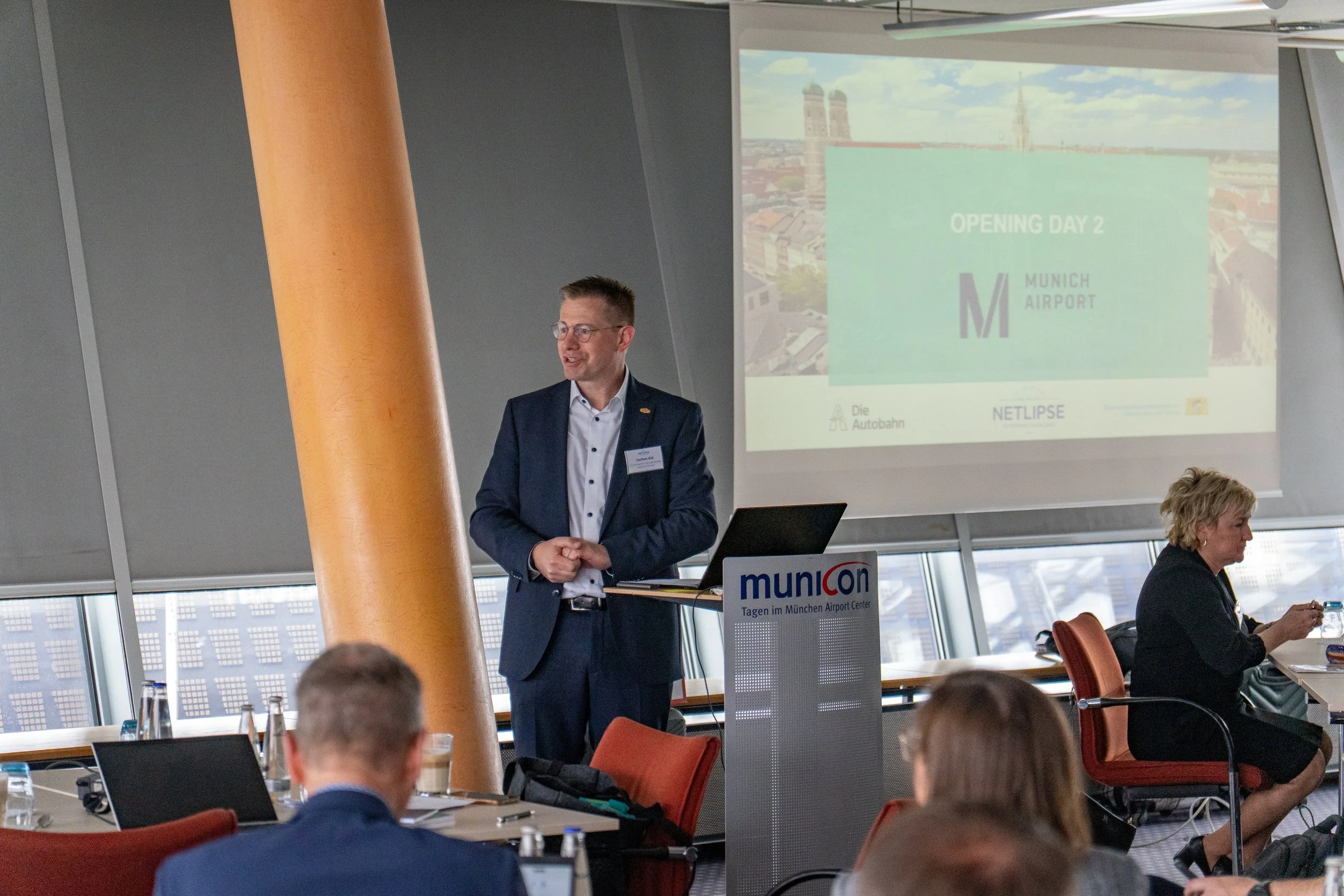
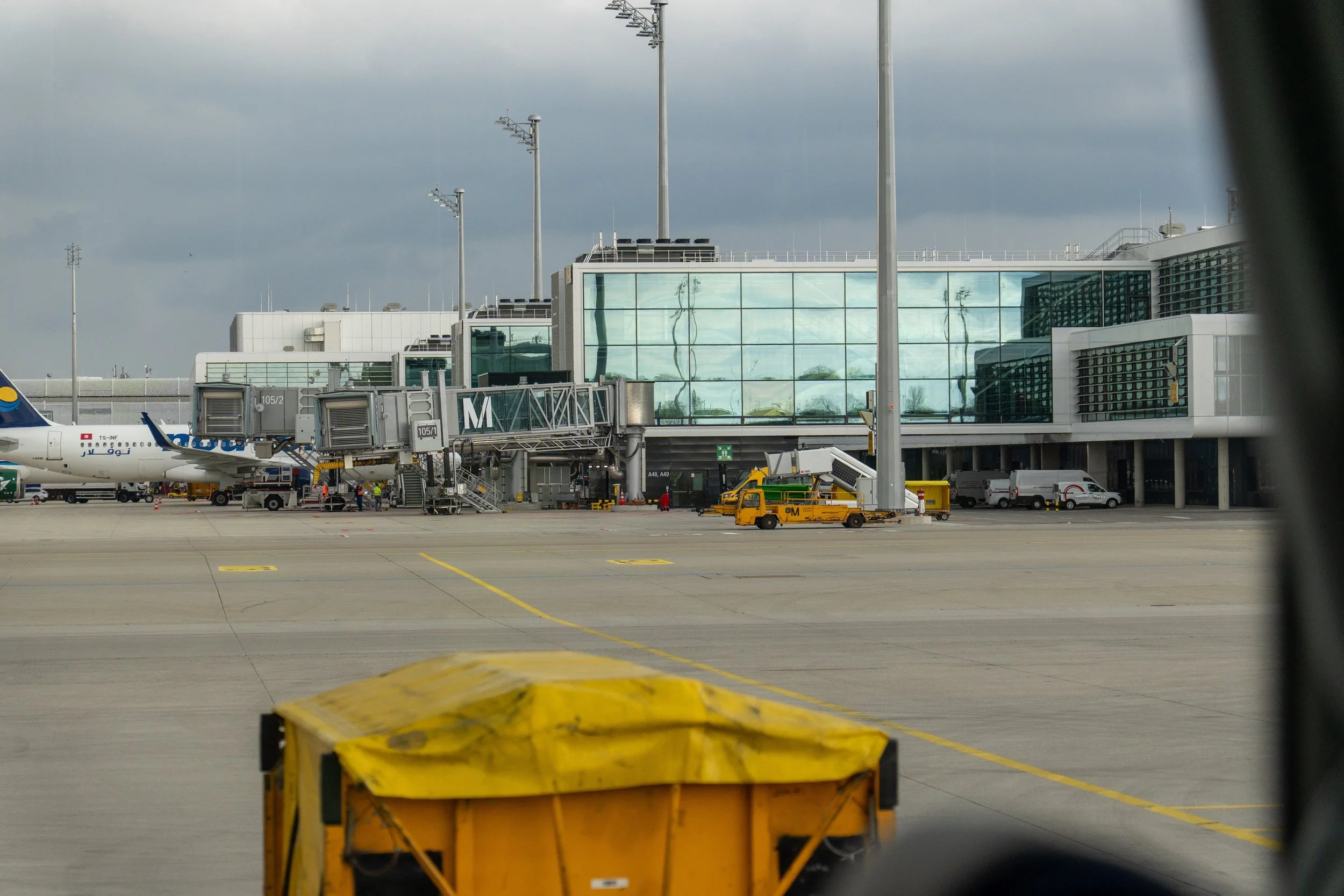
Day 2 was held at Munich Airport, the best location for discussing project delivery in an operational environment. The day kicked off with a presentation by Philip Wagner (Head of Master Planning, Munich Airport), diving into the current developments at the airport.
Theme 4: Project delivery in an operational environment
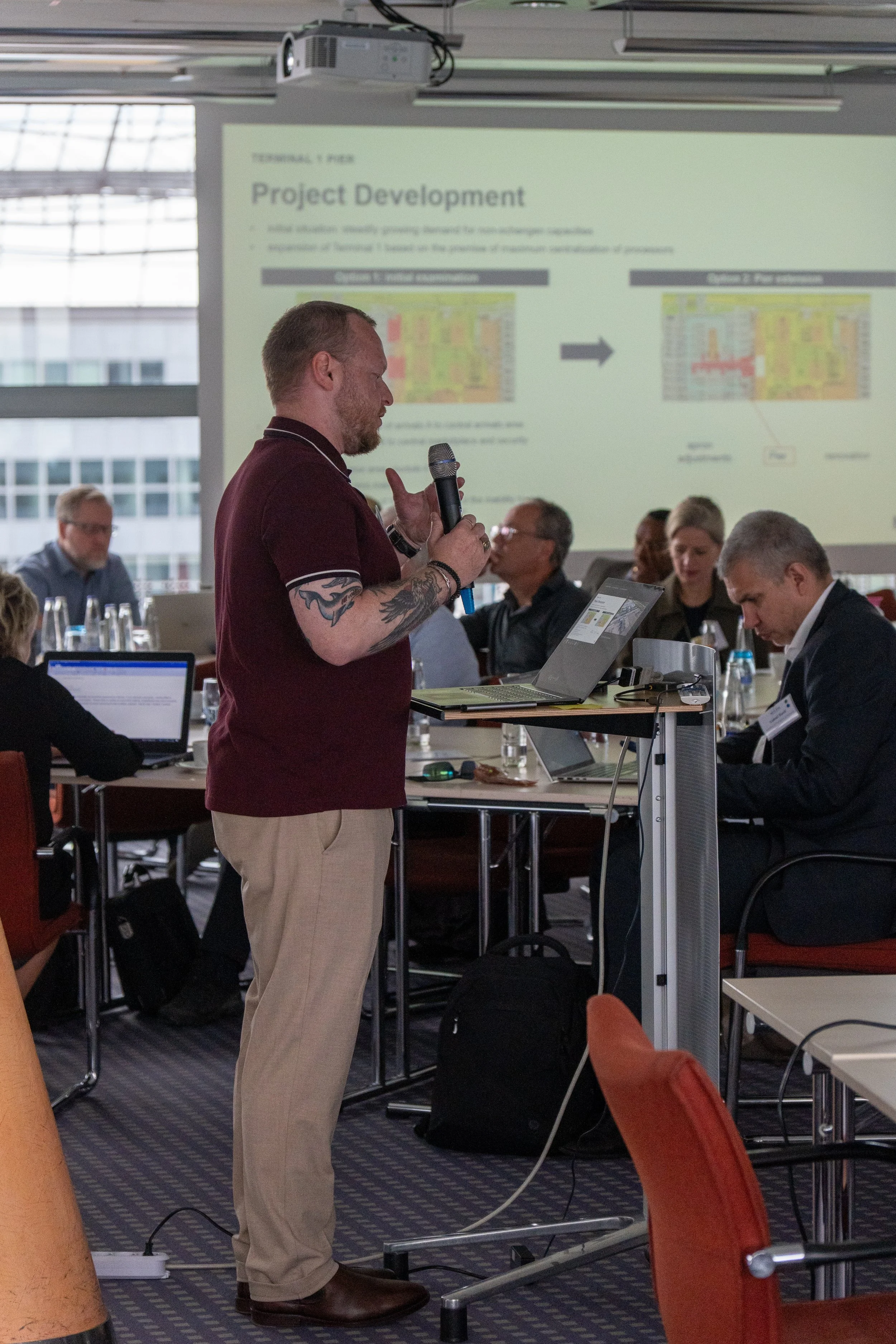
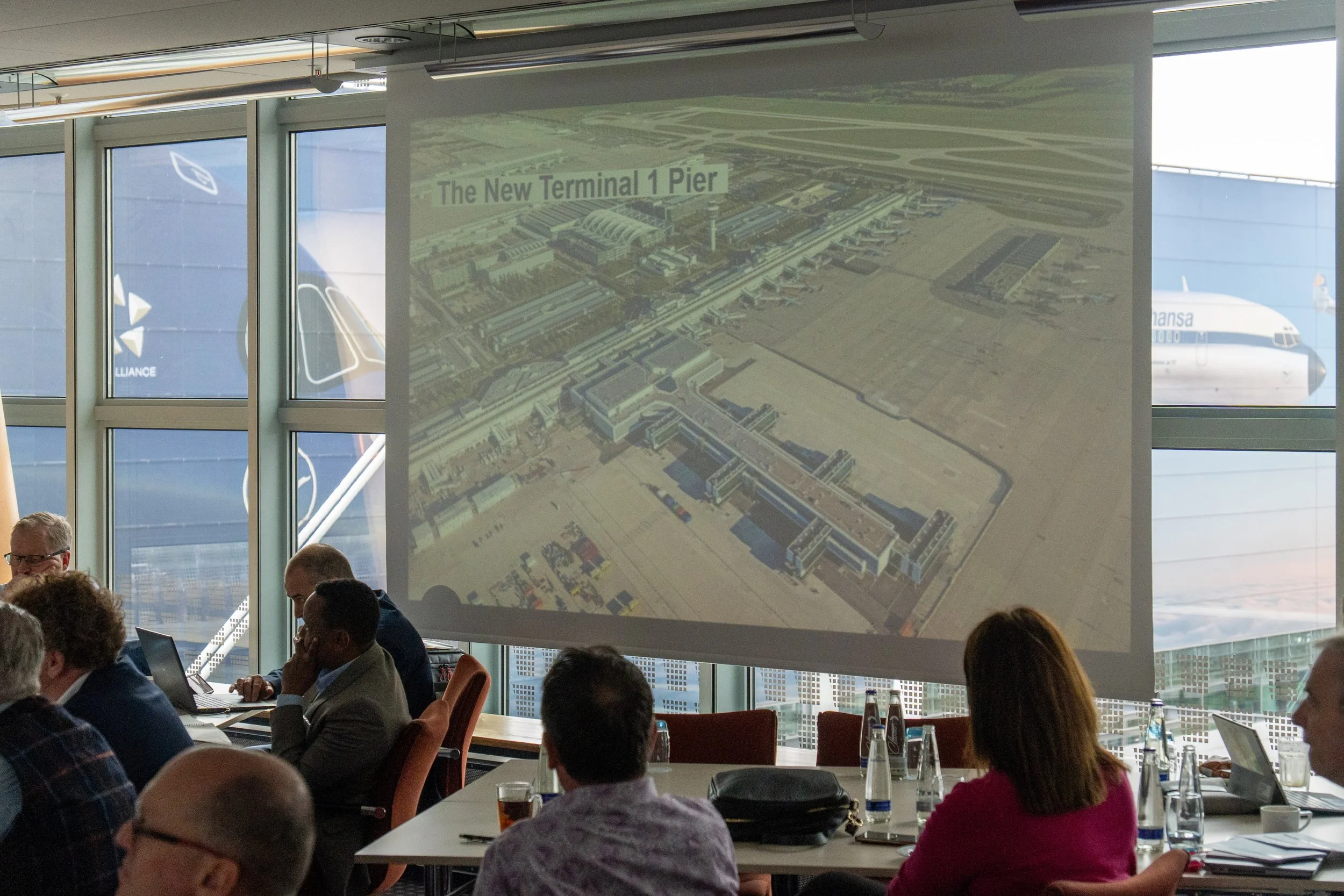
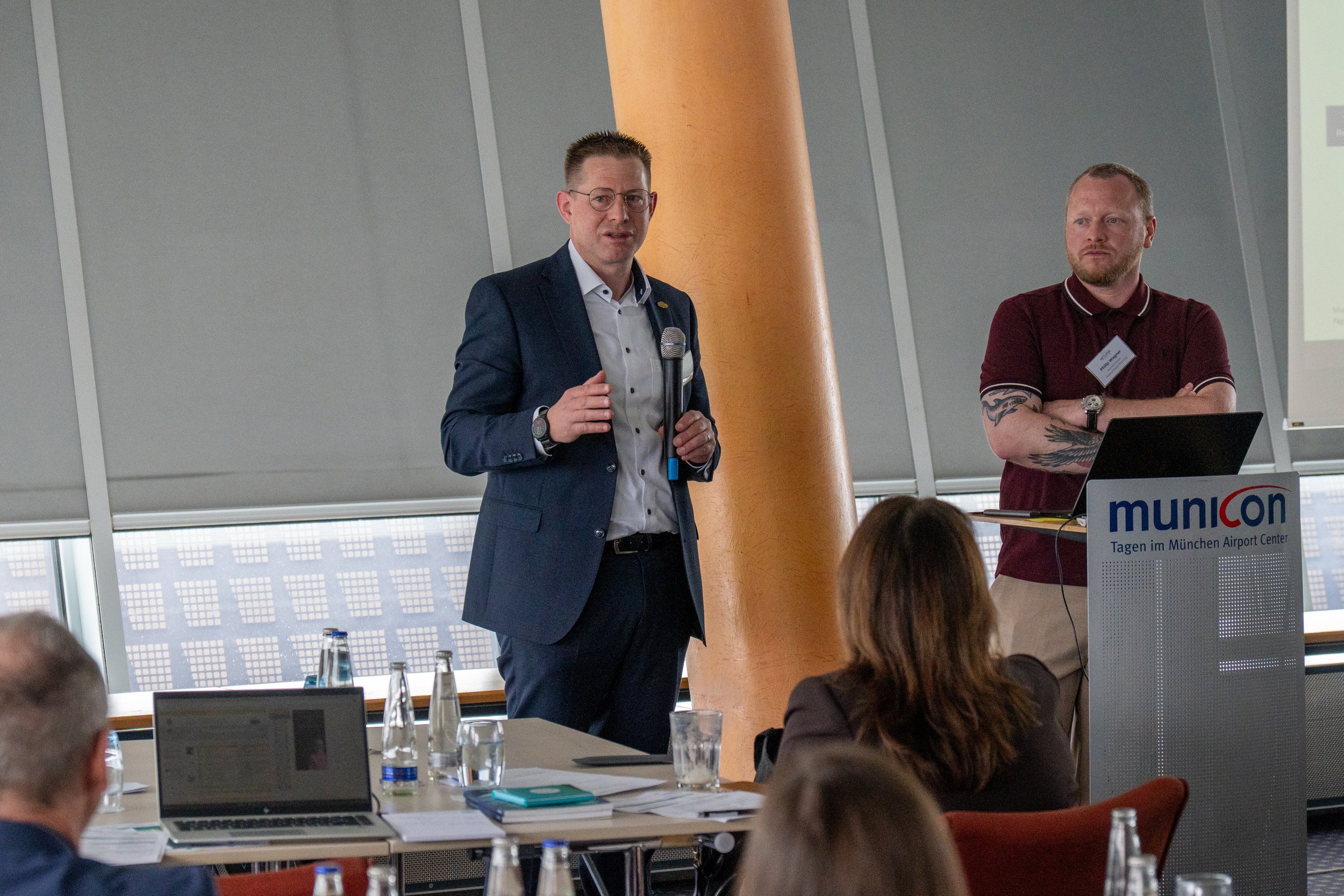
Philip Wagner then kicked off theme 4 addressed the New Terminal 1 Expansion at Munich Airport. He explained how the expansion is delivered while the airport remains fully operational, focusing on phasing, safety and alignment between construction activities and daily passenger flows.
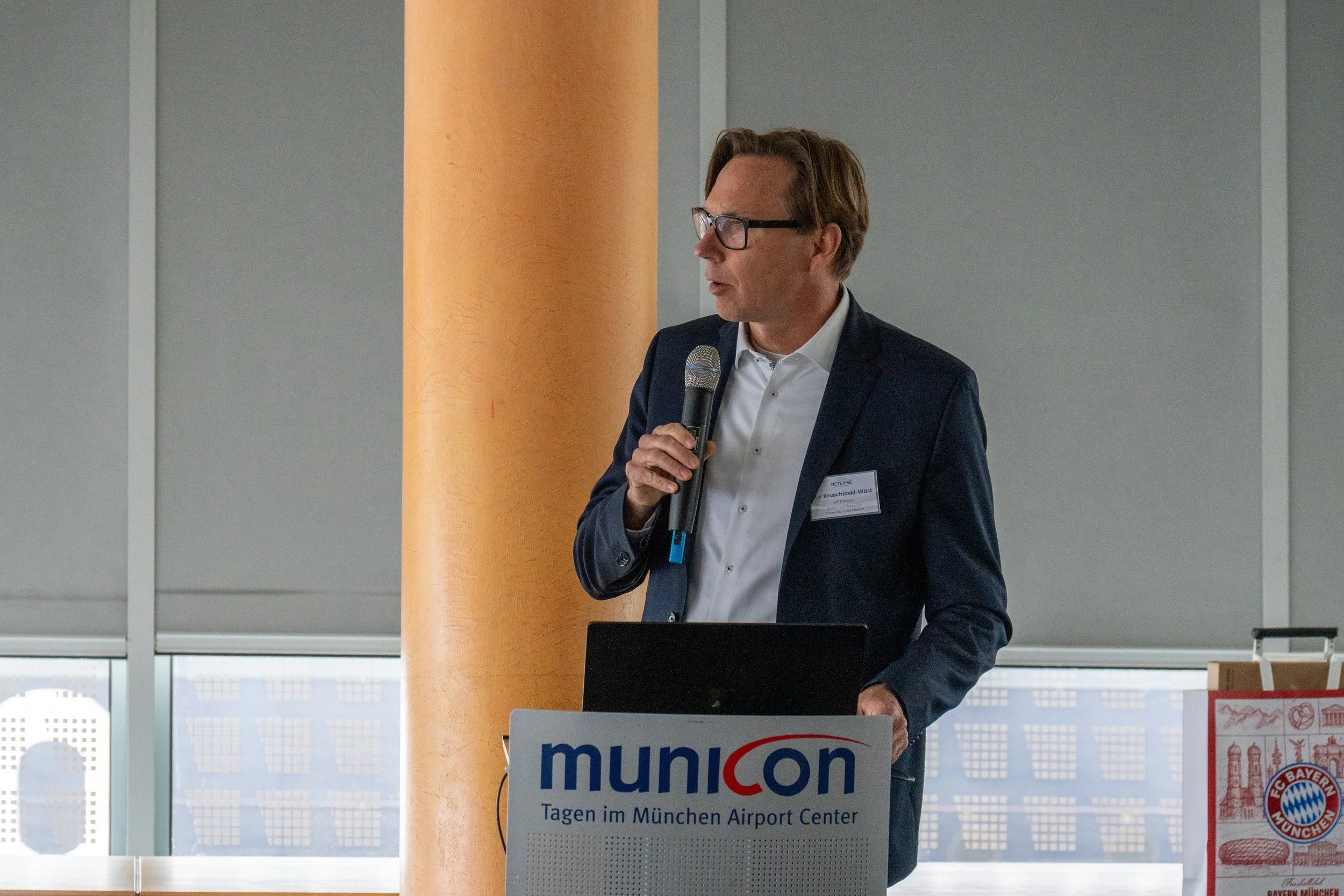
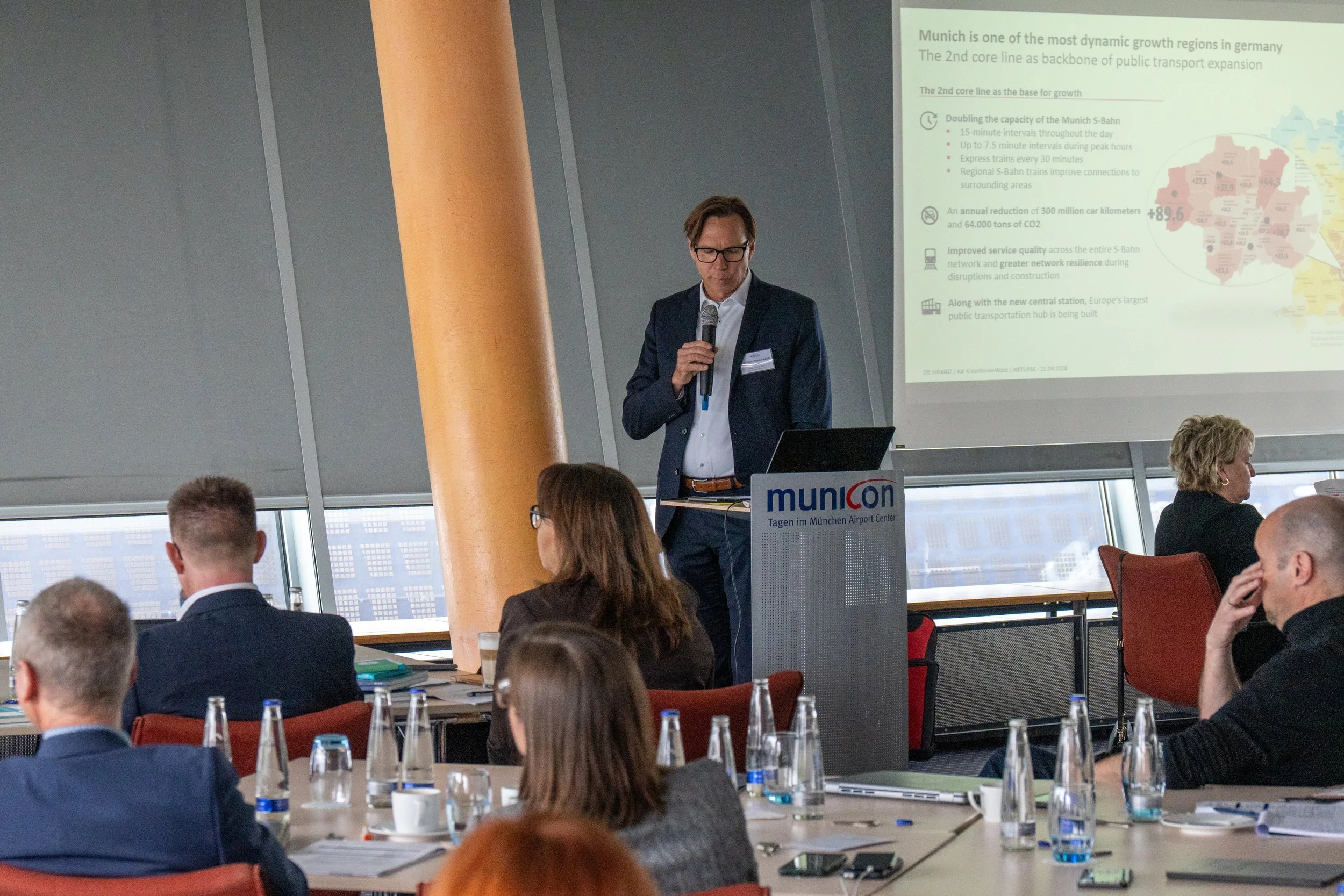
The second presentation focused on Munich Central Station, presented by Kay Krushinski (Project Manager Second Core Line Munich, Deutsche Bahn InfraGo). The presentation highlighted delivering a project with complex technical challenges, in a dense urban environment, with interfaces with rail operations and urban stakeholders.
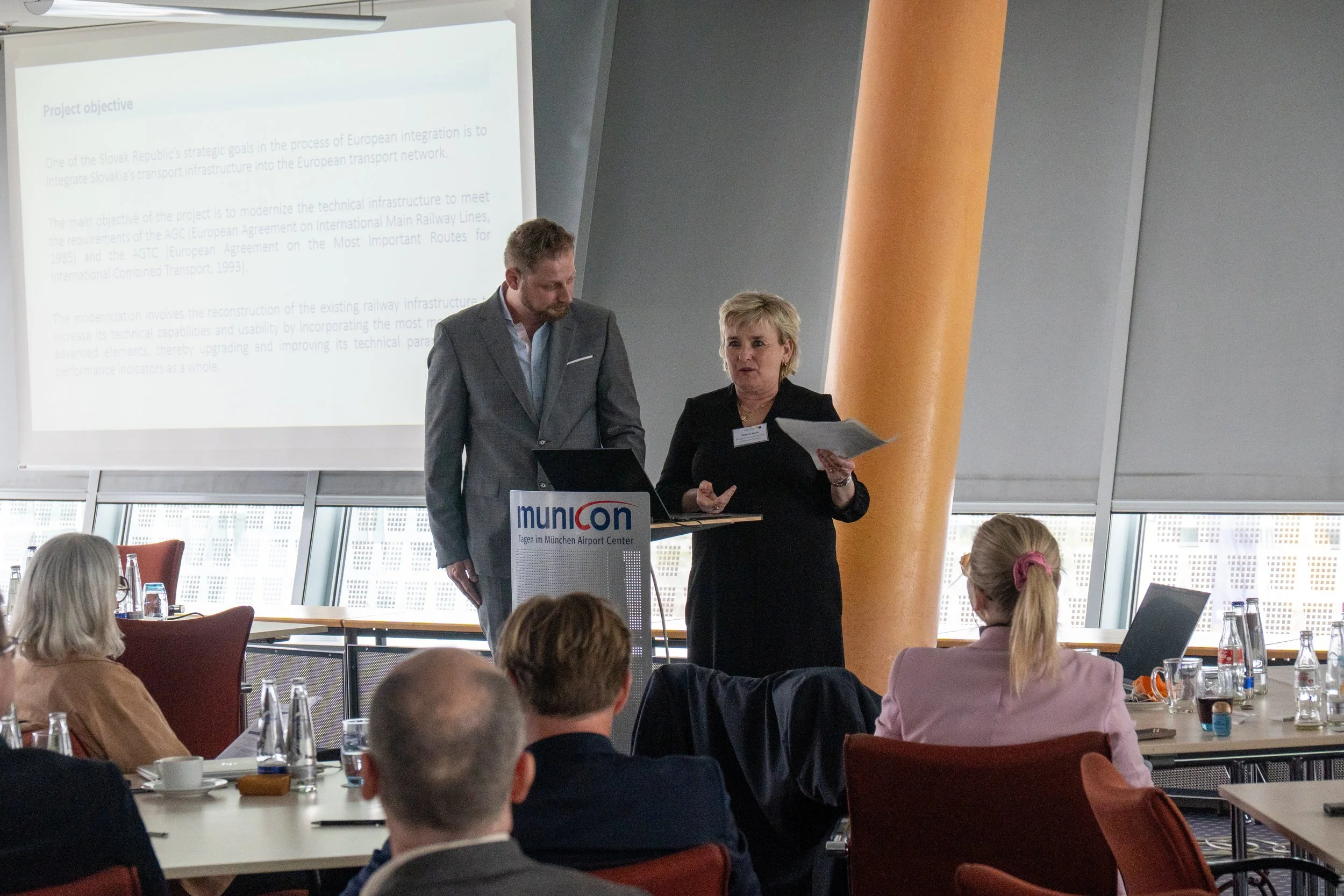
The third presentation covered the Žilina Rail Hub, presented by Jelena Holá (Project Manager, Railways of the Slovak Republic). This case demonstrated how large‑scale rail infrastructure is delivered while maintaining train services and station functionality, using phasing strategies, temporary layouts and close cooperation with operators.
Across the three cases, a shared insight emerged: projects in operational environments must be organised around continuity rather than disruption, with operational stakeholders closely embedded in governance and decision‑making.
Theme 5: 20 years of NETLIPSE – looking back and forward
In the final theme, NETLIPSE reflected on 20 years of learning and collaboration.
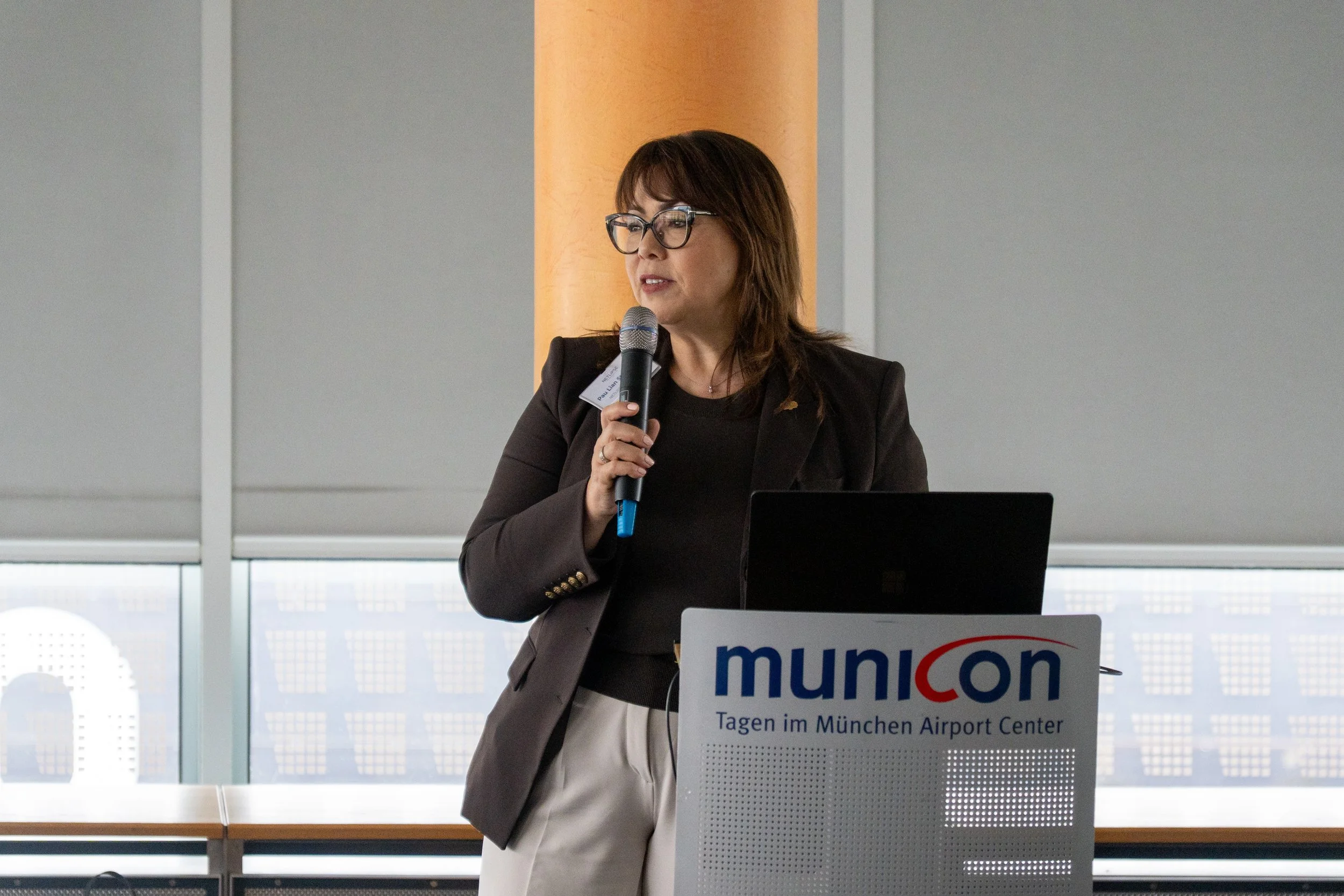
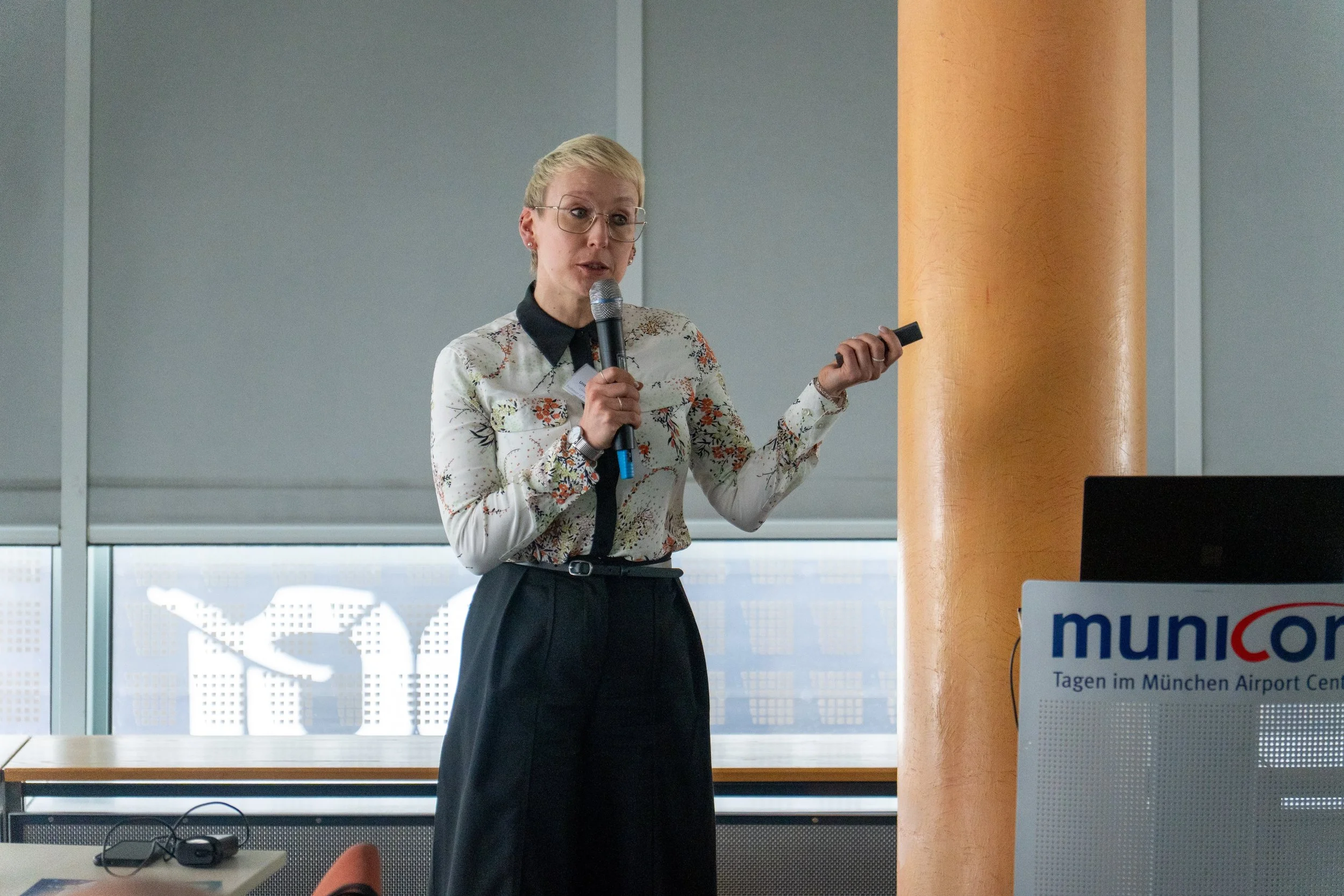
Theme 5 was kicked off by Pau Lian Staal-Ong (Network Director, NETLIPSE), looking back at 20 years of NETLIPSE and providing insight into future activities. Then, as part of the anniversary project, the NETLIPSE research ambassadors Christine Unterhitzenberger and Kate Lawrence (Researchers, Leeds University) shared the insights from their research on the effectivity of a Community of Practice like NETLIPSE. They observed that much learning takes place at individual and project level, while learning at organisational level can still be improved. This underlines the need to further strengthen knowledge sharing and institutional learning across organisations.
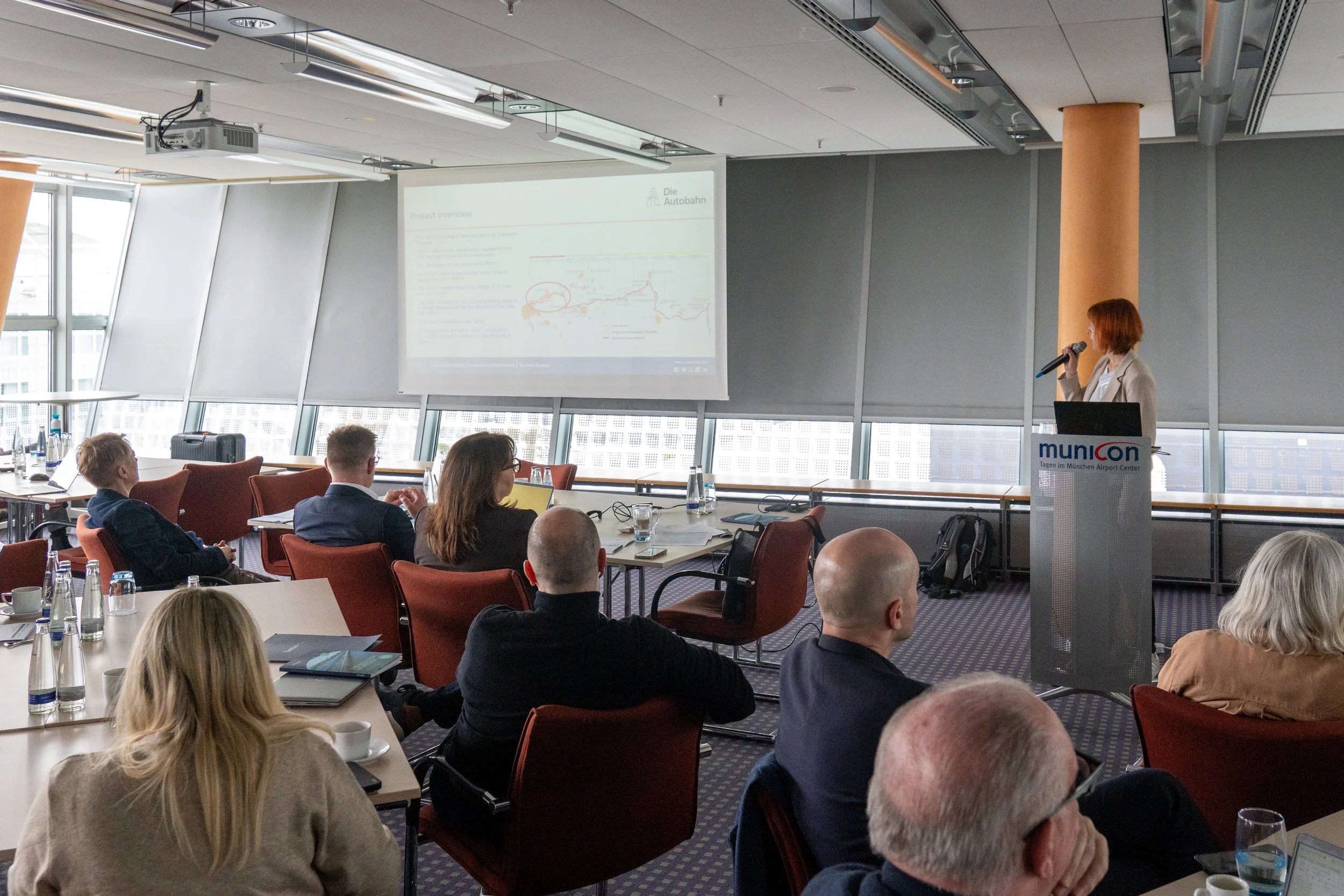
The presentation of the IPAT Assessment experiences at the A44 VKE11 road project in Kassel, presented by Manuela Schnaudt (Department Head, Die Autobahn) together with three assessors, provided a strong example of how this can be achieved. By openly sharing the assessment outcomes with the wider network, learning moved beyond the individual project to collective insight. This is something we as a network plan to do more often!
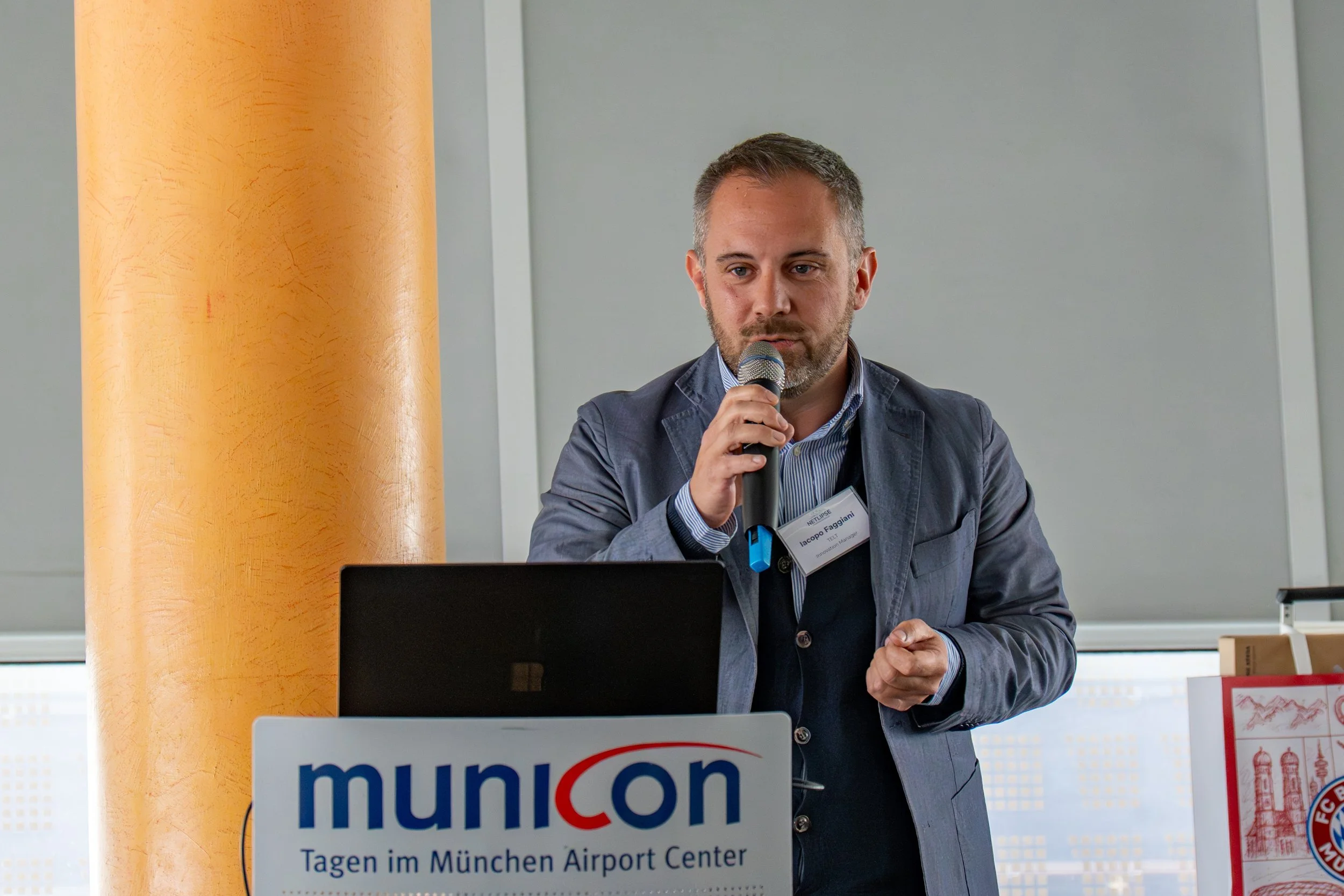
The Network Meeting concluded with a site visit of Munich Airport. At the end of Day 2, it was announced by Iacopo Faggiani (Innovations Partnership Manager, TELT Lyon Turin) that the next NETLIPSE Network Meeting will take place in Turin, 5-6 October 2026, kindly hosted by TELT.
Looking ahead
The Munich Network Meeting once again demonstrated the strength of the NETLIPSE network: open exchange, honest reflection and collective learning. With its 40th Network Meeting, NETLIPSE not only marked an important milestone, but also clearly set its course for the future.
Do you want to read the story of the Network Meeting from the perspective of our host organisations? Have a look at the articles on the website of Die Autobahn and the website of StMB.